
(503) 847-9110

Curious what a typical landscaping project costs in Portland with Monaghan’s Landscaping? This in-depth guide breaks down real-world price ranges, the services that drive cost, local Portland factors that affect budgets, and how Monaghan’s Landscaping (a Portland-based firm with decades of experience) scopes, estimates, and delivers projects so you can plan with confidence.

Why this guide matters for Portland homeowners

Portland’s microclimates, soil types, city permitting, and neighborhood expectations all influence landscaping costs—from a modest front-yard refresh in Laurelhurst to a full hardscape and irrigation overhaul near Forest Park. This guide is written to give you a practical, experience-based estimate for projects commonly performed by Monaghan’s Landscaping, a firm that has been working in the Portland metro area for decades and that specializes in everything from design and hardscaping to irrigation and seasonal plantings.

Who is Monaghan’s Landscaping? (Authoritativeness and credentials)

Monaghan’s Landscaping is a Portland-area landscaping contractor with a long local history and experience serving residential and commercial clients across the metro area. The company promotes comprehensive services including landscape design and planning, hardscaping (patios, retaining walls, walkways, paver driveways), planting and softscaping, irrigation and drainage systems, and specialized offerings such as synthetic turf and accessibility landscaping. The company highlights multi-decade service to Portland customers, detailed design and construction practices, and both residential and commercial project experience within the metro region.

That breadth of services matters for cost estimation: Monaghan’s can provide single-discipline jobs (e.g., irrigation repair) through complex design-build projects (e.g., new patio plus drainage plus planting), and prices scale accordingly.

How Monaghan’s typically structures pricing

From project descriptions and service pages, Monaghan’s Landscaping follows industry standard practices when estimating jobs: a site consultation and analysis, conceptual and/or detailed design, a materials and labor quote, and an agreed construction scope. For smaller jobs—such as spot irrigation repair or a plant/soil amendment—pricing may be an hourly or flat service fee; for medium-to-large projects—like a patio, retaining wall, or full front-yard renovation—Monaghan’s provides line-item estimates that separate hardscape materials, labor (earthwork, drainage, stonework), irrigation, and planting/softscape so clients can see where budget is allocated.

Typical project categories and rough Portland cost ranges with Monaghan’s Landscaping

Below are practical, experience-based cost ranges organized by project type that Monaghan’s commonly performs in Portland neighborhoods. These figures are organized so you can match a desired scope to a budget band; exact quotes require a site visit, soils/drainage review, and design decisions.

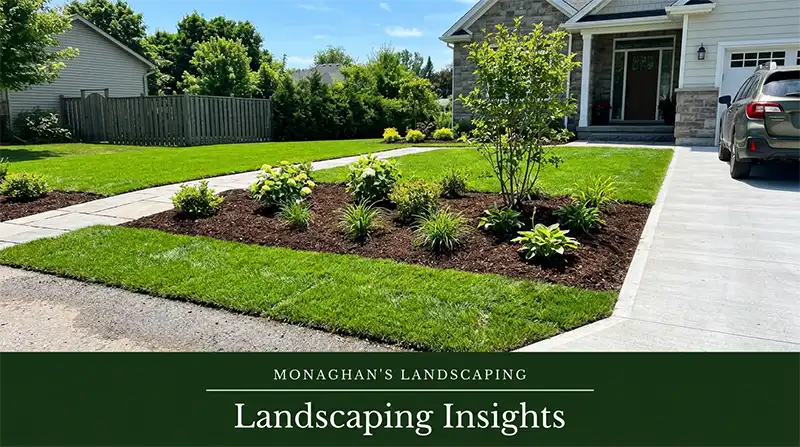
  • Small landscape refresh / planting & seasonal updates: Ideal for curb appeal boosts, flower beds, native plantings, or replacing a few shrubs. Typical Portland yards: 200–800 sq ft of planting beds. Expected cost range: $1,000–$6,000 depending on plant selection, soil prep, and whether irrigation adjustments are needed. This category is commonly executed as a partial-service or add-on to larger projects.
  • Lawn repair, sod installation or seed: Installing sod or reseeding a moderate-sized lawn (500–1,500 sq ft) in Portland with irrigation tie-in can range $2,000–$8,000. Costs vary by turf choice, site prep (grading and soil amendments), and whether irrigation is new or modified.
  • Irrigation system installation or upgrade: For typical single-family properties, installing an automatic sprinkler system or upgrading zones/controls runs approximately $2,500–$10,000 based on zone count, controller features, smart irrigation integration, and complexity of the watering plan.
  • Patio or paver walkway installation (small to mid-size): A patio or walkway using pavers or natural stone (150–400 sq ft) frequently runs $8,000–$25,000 depending on material choices, base prep, drainage, and site access. Complex patterns, steps, or integrated lighting increase costs.
  • Retaining wall construction (segmental block or poured concrete): Small garden walls under 3 ft and up to moderate-length runs typically begin around $6,000–$18,000; taller engineered walls or large terraces can exceed $20,000–$50,000 depending on engineering, drainage, permits, and excavation.
  • Full front-yard or backyard renovation (design + build): Comprehensive remodels that include hardscape, irrigation, planting, lighting, and site grading typically fall in the $25,000–$150,000+ range depending on scope, materials, and features such as outdoor kitchens, fire pits, or lighting. These are the projects where Monaghan’s full design and construction process is most valuable.
  • Synthetic turf installation: Synthetic turf on a mid-size yard (400–800 sq ft) can run $6,000–$18,000 installed, depending on base preparation, edging, infill choices, and whether drainage retrofits are required.
  • Accessibility landscaping or ADA-friendly transformations: Costs vary widely because durable paving, gentle slopes, accessible plantings, and engineered pathways require design and often permitting; expect $8,000–$50,000 depending on scale and features.

These ranges reflect the diversity of Monaghan’s service offering—from small planting jobs up to full-scale design-build transformations—and are adjusted to Portland-specific conditions such as drainage and climate considerations.

What drives cost in Portland (and how Monaghan’s addresses each driver)

Understanding cost drivers helps you plan your budget and ask the right questions during a Monaghan’s site consultation:

  • Site access and logistics: Narrow lots in inner-Portland neighborhoods like Nob Hill or some southeast Portland lots near Reed College may require more labor for material handling, increasing costs. Monaghan’s assesses access during site analysis and factors mobilization into the estimate.
  • Soils and drainage: Portland’s silty-clay pockets and heavy winter rainfall frequently require drainage upgrades, infiltration systems, or amended planting soils; these add to material and labor costs but greatly improve longevity and plant health. Monaghan’s includes drainage evaluation as part of design and recommends engineered solutions where needed.
  • Materials and finishes: The choice between poured concrete, high-end natural stone, or interlocking pavers dramatically affects budgets. Monaghan’s offers material selection guidance during design to align aesthetics and lifecycle value with budget targets.
  • Permits and engineered elements: Retaining walls above certain heights, major grading, or structural features often require engineering or city permits in Portland. Permit costs and engineering fees should be expected for larger walls or sizable grading changes; Monaghan’s helps clients navigate necessary approvals.
  • Irrigation and water-efficiency upgrades: Portland property owners increasingly request smart controllers and drip irrigation for water efficiency, which raise upfront costs but save water and reduce operating costs. Monaghan’s designs irrigation systems to meet performance and efficiency goals.
  • Season and scheduling: Peak landscaping seasons in spring and fall can increase lead times; projects scheduled during off-peak months may receive better pricing and faster start dates.

Real Portland examples and project scenarios (illustrative case studies)

To translate price ranges into real scenarios, below are three hypothetical, but realistic, Portland projects that reflect the kinds of work Monaghan’s performs. Each scenario explains scope, key activities, and expected budget bands so you can match choices to probable costs.

Case Study A — Laurelhurst front-yard refresh (planting, small walkway, irrigation tweak)

Scope: Replace tired flower beds with low-maintenance native plantings, install a 40 ft permeable paver walkway from sidewalk to porch, and repair two irrigation zones. Key tasks include soil amendment, plant installation, base prep for permeable pavers, and minor irrigation valve replacement.

Estimated Cost Range: $6,500–$14,000. Rationale: Plant palette and soil prep typically account for $2,000–$5,000; permeable walkway materials and installation $3,000–$7,000 depending on paver choice; irrigation repairs $500–$2,000. Neighborhood access and curb appeal expectations factor into plant selection and materials choices.

Case Study B — Southeast Portland backyard patio + drainage upgrade

Scope: Install a 300 sq ft stone patio with edge pavers and integrated sub-drainage to prevent seasonal ponding, add a compact gravel pathway to the garden shed, and plant a rain-garden planting to absorb runoff.

Estimated Cost Range: $18,000–$45,000. Rationale: Patio demolition and base work $6,000–$18,000; stone material costs vary widely; drainage retrofit and rain garden $3,000–$8,000; planting and finishing touches $2,000–$6,000. If retaining or engineered sleepers are required, costs increase.

Case Study C — Comprehensive West Hills landscape overhaul (hardscape, lawn removal, synthetic turf, irrigation, lighting)

Scope: Full backyard renovation on a sloped lot including grading corrections, multi-level terraces with segmental retaining walls, synthetic turf area for low maintenance, new irrigation for plantings, and low-voltage landscape lighting.

Estimated Cost Range: $65,000–$200,000+. Rationale: Complex earthwork, engineered walls, and terracing are major cost drivers. Synthetic turf installation and soil stabilization increase material and labor; lighting and irrigation increase complexity and electrical/permit requirements. Projects of this scale are design-build and typically include detailed drawings and staging plans.

How to get an accurate, site-specific estimate from Monaghan’s Landscaping

Monaghan’s process—consistent with professional landscape contractors—starts with a site consultation and assessment to evaluate topography, soils, sunlight, drainage, existing vegetation, and access logistics. From that consultation Monaghan’s can provide either a conceptual estimate or a detailed, itemized proposal that separates hardscape, softscape, irrigation, and allowances for materials. To get the most accurate quote:

  • Prepare a prioritized wish list (must-have features vs. nice-to-have items).
  • Identify your budget band so design can be scoped to match costs.
  • Share photos and rough measurements ahead of a site visit to speed the estimate.
  • Ask for line-item pricing, including mobilization, waste disposal, and permit fees.
  • Request a timeline and payment schedule tied to project milestones.

Monaghan’s encourages consultations to align client expectations with what is feasible physically and budgetarily for Portland properties. Their experience with permitting, engineered walls, irrigation, and winter-season considerations adds value for homeowners who want predictable outcomes.

Red flags and questions to ask before hiring

To protect your investment, ask prospective contractors (including Monaghan’s) about the following items during the estimate phase:

  • Does the bid include a site visit and written scope with exclusions listed?
  • Are permits, engineering, or inspection costs included or listed separately?
  • Who is responsible for utility locates and potential damages?
  • What are the warranty terms for hardscapes, plantings, and irrigation components?
  • How are unforeseen conditions (rock, drainage issues) priced and approved?
  • What is the payment schedule and what retains final payment until punchlist completion?

Monaghan’s emphasizes written scopes and clear communication to reduce surprises—particularly important in Portland where rainy season interruptions and drainage complexities are common.

Cost-saving strategies that still deliver quality

If your budget is limited but you want professional results from Monaghan’s, consider these strategies that lower project cost without sacrificing long-term value:

  • Phase the project: Prioritize essential drainage and structural work first, then add hardscape or high-end finishes in later phases.
  • Select durable, mid-range materials: Choose high-quality but cost-effective pavers instead of premium natural stone for a long-lasting surface at lower cost.
  • Combine design and contractor phases: Use Monaghan’s design-build approach to reduce change orders and streamline construction pricing.
  • Opt for water-wise plantings and efficient irrigation: Native and drought-tolerant plants reduce irrigation costs and long-term maintenance.
  • Reuse existing hardscape where possible: Salvaging and resetting existing pavers or edging can significantly reduce materials costs.

Financing, permits, and scheduling considerations in Portland

Large landscape investments often require thoughtful scheduling and permitting. Portland Bureau of Development Services sets rules that can affect grading, retaining walls, and tree removal; projects that alter drainage or modify slopes may require permits or engineered plans. Monaghan’s experience working across neighborhoods such as Sellwood-Moreland, the Pearl District, Northwest Portland, and West Hills helps them anticipate permit needs and incorporate those requirements into the project timeline and budget. When planning a winter start, expect weather-related scheduling buffers; spring and early fall typically offer the best balance of availability and favorable working conditions.

How Monaghan’s demonstrates trust and quality on site

Monaghan’s highlights their longstanding service in the Portland area and their focus on workmanship, reliability, and quality materials. They provide project management through construction, often separating design and construction phases so homeowners can approve materials and timelines. For larger projects, Monaghan’s coordinates sub-contractors, engineering, and inspections to deliver a finished space that meets local code and performance expectations.

Local Portland considerations: neighborhoods and landmarks that influence design and planning

Landscape design in Portland is influenced by neighborhood character, views, and microclimates. Mentioned below are relevant neighborhoods and local features that often shape project decisions:

  • Laurelhurst: Mature trees and traditional homes influence shade-tolerant plant choices and pedestrian-friendly front yards.
  • Sellwood-Moreland: Historic streetscapes and compact lots favor curb improvements and efficient plantings.
  • Pearl District: Urban lots and modern aesthetics often involve container plantings, small courtyards, and paved surfaces.
  • West Hills: Sloped lots and view-oriented terraces require engineered walls and erosion control.
  • Forest Park vicinity: Proximity to natural areas encourages native plant palettes and wildlife-friendly designs.
  • Local places relevant to projects: Powell Butte, the Willamette River corridor, Tom McCall Waterfront Park, and the Oregon Zoo are part of the region’s outdoor culture and influence plant palette and outdoor living styles.

Materials and product choices that Portland homeowners ask about

Monaghan’s offers a range of materials and products to match budgets and aesthetics. Popular choices include segmental concrete retaining wall block, interlocking pavers, permeable pavers for improved stormwater management, natural stone accents, and composite decking for low maintenance. In planting, clients often request native Oregon species and drought-tolerant mixes to match Portland’s climate and water-conscious ethos. For irrigation, smart controllers and drip systems are common upgrades to reduce water use and increase long-term savings.

Maintenance expectations and long-term costs

Initial installation is the first cost; long-term maintenance influences lifetime value. Monaghan’s points to seasonal services (spring/fall planting and maintenance) and recommends choosing durable materials, efficient irrigation, and appropriate plantings to minimize future costs. Expect annual maintenance tasks such as mulching, pruning, seasonal planting, and irrigation tune-ups. Well-designed drainage and proper grading upfront greatly reduce long-term repair needs in Portland’s wet winters.

How climate and sustainability affect budgets

Portland homeowners increasingly incorporate sustainability measures such as native plantings, permeable paving, rain gardens, and graywater-compatible irrigation. While green infrastructure can add upfront cost (engineered rain gardens or infiltration trenches), they often lower stormwater-related problems and reduce long-term maintenance and municipal stormwater fees in some contexts. Monaghan’s integrates sustainability options into design conversations so clients can weigh lifecycle benefits against initial expenditures.

Choosing the right contract and payment terms

For mid- to large-scale projects, request a clear contract that includes a project scope, materials list, schedule, payment schedule, warranty terms, and change-order procedures. Typical payment schedules are a deposit at contract signing, progress payments tied to milestones, and a final payment on project completion and punchlist acceptance. Monaghan’s aims to provide line-item clarity so homeowners understand what they are paying for and what remains optional.

Comparing bids and evaluating value

When you receive estimates, evaluate not only the bottom-line cost but what is included: quality of materials, warranty terms, site cleanup, permit handling, and whether the bid includes a contingency for unforeseen conditions. A lower bid may omit important items such as proper base preparation or drainage that are costly to fix later. Monaghan’s emphasizes thorough site evaluation and written scopes to minimize hidden costs.

How to reduce risk: warranties, references, and portfolio review

Ask for examples of similar projects completed in Portland and request references from clients in similar neighborhoods. Request warranty terms for hardscapes, irrigation components, and plant establishment. Reviewing Monaghan’s past projects—especially those in comparable locations and with similar soil/drainage challenges—helps assess their ability to deliver on schedule and within budget.

Getting started with Monaghan’s: a practical checklist

  • Gather photos, property sketches, and a prioritized wish list.
  • Schedule a site consultation to evaluate soils, drainage, and access.
  • Discuss budget ranges and ask Monaghan’s to propose phased options if needed.
  • Request a written, itemized estimate showing labor, materials, permits, and allowances.
  • Clarify timelines and payment milestones before signing a contract.

To explore Monaghan’s services or request a site visit, use the company’s homepage link to learn more about their credentials and service offerings: Monaghan’s Landscaping - Trusted Portland Landscape Contractor with Local Expertise and Experience

For more specific Portland project pages, you can view their Portland service page for local details and to request a quote: Monaghan’s Landscaping Portland Project and Service Information - Local Portfolio and Quote Request

Frequently Asked Questions

How much does a typical small front-yard planting project cost in Portland with Monaghan’s Landscaping?

A small front-yard planting or curb appeal refresh with Monaghan’s typically ranges from about $1,000 to $6,000 depending on the scale of soil amendment, plant selection, and whether irrigation modifications are included. Costs reflect labor for bed preparation (removing existing plants or turf), soil amendments to improve drainage and fertility, plant material costs (with native or specialty plants priced higher), and installation labor. If a new mulch layer, drip irrigation or modest edging is added, budget toward the higher end of the range. Monaghan’s will evaluate sun exposure, existing soil conditions, and access during the initial site consultation and provide an itemized estimate so homeowners know which options are affecting price and which are optional. This approach helps Portland homeowners balance aesthetics and long-term maintenance demands.

What does a patio installation cost in Portland with Monaghan’s Landscaping?

Patio install costs vary widely based on size, material, and site prep; a modest 150–300 sq ft paver or stone patio typically ranges from $8,000–$25,000 with Monaghan’s depending on base preparation, drainage, access, and finish materials. Permeable pavers or engineered sub-bases for stormwater management increase costs but provide sustainability benefits in Portland’s wet climate. If the project requires excavation, grading, or retaining walls to create a level terrace, expect higher figures. Monaghan’s provides material selection guidance and an itemized estimate to clarify base, material, and labor costs so clients can choose a patio solution that fits their budget and performance needs.

How much should I budget for a retaining wall in the Portland area?

Typical retaining wall projects with Monaghan’s start around $6,000 for simple, low garden walls and can rise into the tens of thousands for engineered or tall walls requiring footings, drainage, and permits. Segmental block walls under three feet can be more economical, while tall walls, structural concrete elements, or extensive terraces require engineering and permit fees that add to the total. Soil conditions, slope, and runoff management are key cost drivers; Monaghan’s evaluates these during the site visit to recommend the correct construction method and to provide a comprehensive estimate that includes drainage and backfill to ensure long-term performance in Portland’s variable weather.

Does Monaghan’s handle irrigation and what are typical costs?

Yes—Monaghan’s installs and repairs irrigation systems, offering full automatic sprinkler installation, drip systems, and smart controller upgrades. For a typical single-family yard, new automatic irrigation installations often range from about $2,500 to $10,000 depending on zone count, controller sophistication (weather-based or smart controllers increase cost), and whether the system ties into rain sensors or existing landscaping. Repairs or controller replacements are typically lower cost, and Monaghan’s advises that integrating efficient irrigation with native plantings reduces long-term water usage and operating costs.

How long does a typical Monaghan’s project take from design to completion?

Project timelines vary by size. Small plantings or minor irrigation repairs can complete within days to a couple of weeks after a site visit and scheduling. Medium projects—like patios or moderate hardscaping—often take several weeks including design finalization, permitting (if required), and construction. Large design-build transformations with grading, engineered walls, and multiple trades can take several months from initial consultation through punchlist completion. Weather windows in Portland’s rainy season can extend timelines, so Monaghan’s factors seasonal scheduling into project plans and provides clients with a projected timeline during the estimate phase.

Are permits required for common landscaping projects in Portland and does Monaghan’s handle them?

Permits are commonly required for retaining walls above certain heights, major grading or excavation, and projects that affect drainage or street improvements. Monaghan’s assists clients in identifying permit requirements during the site review and can coordinate with engineers and permitting authorities when projects require formal approvals. Permit and engineering fees are typically listed separately in an itemized proposal so clients understand how those costs affect the bottom line. By managing permitting, Monaghan’s reduces the risk of delays associated with submittal revisions or incomplete documentation.

What warranty or guarantees does Monaghan’s provide for landscaping work?

Warranty terms can vary by project component. Typically, hardscape workmanship and structural elements have distinct workmanship warranties, while plant materials carry shorter plant establishment warranties that depend on species and growing conditions. Irrigation components often have manufacturer warranties for controllers and valves. Monaghan’s provides project-specific warranty information in written proposals so homeowners know coverage duration, what maintenance is required to keep warranties valid, and how warranty claims are handled. Clear warranty terms help Portland homeowners assess long-term value and contractor accountability.

How should I prepare my Portland property for a Monaghan’s site visit?

Before a site visit, gather property photos, plan or survey if available, and a prioritized list of wants and needs. Note any existing issues such as chronic ponding, tree roots, or utility locations. Identify access points, preferred staging areas, and any restrictions such as HOA rules or street parking limits for crew vehicles. Having a realistic budget range helps Monaghan’s tailor initial concepts to your expectations. Preparation speeds the estimate process and helps ensure the site visit focuses on technical constraints and design possibilities.

Can Monaghan’s phase a large project to fit my budget and how does phasing affect costs?

Yes—phasing is a common strategy. Monaghan’s recommends prioritizing essential structural and drainage work first, followed by hardscape and planting phases. Phasing reduces upfront cost while allowing clients to spread payments over time. While phased work can slightly increase total project cost due to remobilization or staged site protection, careful planning reduces redundancies. Monaghan’s can produce phased scopes with cost breakdowns so homeowners understand what each phase accomplishes and how future phases integrate seamlessly with prior work.

What maintenance will my new landscape need after installation?

Maintenance needs depend on design choices. Hardscapes require occasional joint maintenance and sealing depending on material; irrigation systems need seasonal start-up and winterization services; plantings need an establishment period with watering, weeding, and selective pruning. Native and drought-tolerant plantings generally reduce long-term maintenance. Monaghan’s offers seasonal services and maintenance packages for commercial clients and recommends maintenance plans for residential projects to ensure plant health and preserve the value of installed features over time.

Conclusion and next steps

Estimating how much a typical landscaping project will cost in Portland with Monaghan’s Landscaping depends on project type, site conditions, materials, and permitting needs. Small projects start in the low thousands; medium hardscape or irrigation projects typically run in the mid-thousands to tens of thousands; comprehensive design-build transformations commonly range from tens of thousands into six figures for large estates or complex hillside work. The most reliable way to get a precise budget is to request a site consultation and line-item proposal that reflects Portland-specific conditions such as drainage, soils, and permitting.

If you’re ready to explore options for your Portland property, start by requesting a site consultation through Monaghan’s homepage: Monaghan’s Landscaping - Portland’s Experienced Landscape Contractors. Bring photos, a prioritized wish list, and a realistic budget range to the consultation so Monaghan’s can prepare a tailored, itemized estimate that aligns with your goals and the unique constraints of your Portland neighborhood.

Tap To Call Now!