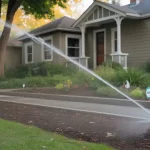
Yes, Monaghan’s can expertly convert your existing manual sprinkler system to a fully automatic one, transforming your watering routine into a seamless, efficient process. With years of specialized experience in automatic sprinkler system installation, they handle everything from assessment to full automation, ensuring optimal performance for your landscape.
Imagine stepping outside to a lush, vibrant yard without the hassle of dragging hoses or setting timers manually every day. Converting to an automatic system means precision watering that saves time, reduces water waste, and promotes healthier plants. At Monaghan’s, this conversion is not just possible—it’s a proven service backed by their deep expertise in irrigation technology. Whether your current setup uses basic manual sprinklers or an outdated partial system, their team evaluates compatibility, upgrades components, and integrates smart controls for effortless operation.
Why consider this upgrade? Manual systems often lead to overwatering, underwatering, or inconsistent coverage, stressing your plants and spiking utility bills. Automatic systems, as handled by Monaghan’s, use timers, sensors, and zone-specific programming to deliver water exactly when and where needed. This blog dives deep into the process, benefits, steps involved, and what to expect, drawing from Monaghan’s established practices in automatic sprinkler installations to give you confidence in the transformation.
Understanding Manual vs. Automatic Sprinkler Systems
A manual sprinkler system relies on human intervention—you connect hoses, position sprinklers, and turn water on and off. This approach is labor-intensive and prone to errors like forgetting to shut off the water or uneven coverage. In contrast, an automatic sprinkler system operates via an electronic controller connected to electrically activated valves. These valves open and close on a programmed schedule, directing water through underground pipes to pop-up heads that emerge only during watering cycles.
Monaghan’s specializes in making this shift smooth. Their automatic systems feature durable components designed for longevity, including high-quality valves, timers, and heads that withstand environmental pressures. The conversion process reuses as much of your existing piping as possible, minimizing disruption while adding automation layers. For instance, they assess your current layout to determine if pipes, valves, or heads need upgrading, ensuring the new automatic setup integrates flawlessly.
Key differences include automation intelligence: automatic systems can incorporate rain sensors to pause watering during wet weather, smart apps for remote control, and flow monitoring to detect leaks. Manual systems lack these, often wasting up to 30-50% more water due to evaporation and runoff. By converting with Monaghan’s, you gain these efficiencies, tailored to your yard’s unique zones—lawns, shrubs, flower beds—each programmed separately for precision.
Benefits of Converting to an Automatic Sprinkler System
The advantages are compelling and multifaceted. First, water conservation stands out. Automatic systems deliver water directly to roots, reducing evaporation and overspray. Studies show properly installed systems can cut water usage by 20-50%, a significant saving on bills and a boon for sustainability. Monaghan’s designs account for soil type, plant needs, and climate to optimize this further.
Second, time savings are immense. No more daily manual setup—set it once, and the system runs autonomously. This frees hours weekly for enjoying your yard rather than maintaining it. Third, healthier landscapes emerge from consistent, timely watering. Plants receive ideal moisture levels, preventing drought stress or fungal issues from overwatering.
Convenience extends to smart features. Monaghan’s integrates weather-based controllers that adjust schedules automatically, ensuring efficiency year-round. Durability is another plus—their systems use professional-grade materials resistant to clogs, bursts, and wear. Long-term, this means fewer repairs and lower costs. Property value also rises with a professionally installed automatic system, signaling a well-maintained home.
Environmentally, reduced runoff prevents chemical leaching into waterways, promoting eco-friendly landscaping. For families, safety improves—no tripping over hoses or standing water hazards. Monaghan’s conversions emphasize these benefits, customizing to maximize return on investment.
Is Your Existing Manual System Conversion-Ready?
Not every manual setup is identical, but most are viable for conversion. Begin with a professional assessment—Monaghan’s starts here, inspecting pipe material (PVC or poly), diameter, depth, and layout. Common manual systems use above-ground hoses or basic impact/traveling sprinklers connected to faucets. For conversion, they focus on underground piping potential.
If your system has existing buried lines from a prior partial setup, reuse is ideal, saving costs. They check for leaks, pressure issues, or corrosion. Manual systems often lack proper zoning, so conversion adds valves to segment areas—lawns get high-volume heads, beds low-flow for efficiency. Water source matters too; they ensure supply pressure (typically 40-80 PSI) suits automation.
Challenges like tree roots encroaching pipes or uneven terrain are handled expertly. Monaghan’s uses trenchless methods where possible to avoid landscape damage. If your manual system is rudimentary (just hoses), they design a full underground automatic network, routing pipes efficiently. Age isn’t a barrier—older systems get modern upgrades like backflow preventers for code compliance.
Conversion feasibility hinges on site specifics, but Monaghan’s track record shows high success rates across varied setups. They provide transparent evaluations, outlining costs, timelines, and outcomes upfront.
Step-by-Step Conversion Process with Monaghan’s
Monaghan’s follows a meticulous, proven process for conversions. Step 1: Initial Consultation and Design. Discuss needs, budget, and goals. They map your yard, measure zones, and design a custom blueprint integrating existing elements.
Step 2: System Audit. Excavate sample areas to inspect pipes, valves, and heads. Test water flow and pressure. Identify reuse opportunities or replacements needed.
Step 3: Component Upgrades. Install or upgrade controller—smart models with Wi-Fi for app control. Add solenoid valves per zone, rain sensors, and backflow devices. Replace manual heads with automatic pop-ups (rotors for large areas, sprays for small).
Step 4: Trenching and Piping. Lay new pipes if needed, using minimal disruption techniques. Connect everything to the controller.
Step 5: Programming and Testing. Set schedules based on plant types, soil, and seasons. Run full cycles to calibrate coverage, adjust heads, and fix issues.
Step 6: Final Walkthrough and Training. Demonstrate operation, app setup, and maintenance tips. Provide warranties and support.
This process typically spans 1-5 days, depending on yard size. Monaghan’s emphasizes minimal downtime, working efficiently to restore your landscape quickly.
Key Components in a Monaghan’s Automatic Conversion
Central is the controller, the brain directing valves via timers. Monaghan’s selects modular units expandable for future needs. Valves are anti-siphon or globe types, electric-actuated for reliability.
Sprinkler heads vary: fixed sprays for small lawns, rotors for medium-large, MP Rotators for efficiency matching rainfall rates. Piping uses Schedule 40 PVC for mains, poly for laterals—durable against bursts.
Sensors include rain, soil moisture, and wind to optimize runs. Backflow preventers protect water supplies. All components meet industry standards, sourced from trusted brands Monaghan’s trusts through experience.
Integration ensures zones match plant water needs—high for turf, low for shrubs—preventing waste. Smart features allow weather data pulls for auto-adjustments.
Cost Factors and ROI for Conversion
Costs vary by yard size, system complexity, and existing infrastructure. Basic conversions reusing pipes start lower, full installs higher. Expect investments reflecting professional quality—durable parts, expert labor.
ROI shines through savings: water bills drop 20-50%, time saved equates to hundreds yearly. Increased property appeal adds value. Monaghan’s offers financing options and transparent quotes, focusing on long-term savings.
Maintenance is minimal—annual checks prevent issues, costing far less than manual hassles. Warranties cover workmanship, providing peace of mind.
Maintenance Tips Post-Conversion
Monaghan’s equips you for success. Winterize by draining lines to prevent freezes. Spring startup checks valves, heads. Clean filters quarterly. Adjust heads seasonally. Monitor controller batteries. Their service plans handle this professionally.
Frequently Asked Questions
Can Monaghan’s convert an existing manual sprinkler system to automatic?
Absolutely, Monaghan’s excels at converting manual sprinkler systems to fully automatic ones. This involves assessing your current setup, integrating or upgrading pipes, installing electronic controllers, solenoid valves, and pop-up heads. The process reuses compatible existing infrastructure to minimize costs and disruption. Their team handles design, trenching, programming, and testing for seamless operation. Expect customized zoning for lawns, beds, and borders, with smart features like rain sensors. This upgrade saves water, time, and effort while promoting healthier plants. Monaghan’s draws on extensive automatic sprinkler installation experience to ensure reliability and efficiency tailored to your landscape needs. The result is a hands-off system you control via app or timer, transforming yard care.
What does the conversion process involve for manual systems?
The conversion starts with a site audit to evaluate pipes, water pressure, and layout. Monaghan’s then designs a zoned automatic layout, installs a controller and valves, lays any needed piping, and fits pop-up heads. Programming follows, calibrating run times by zone. Testing ensures even coverage without waste. Minimal excavation preserves your yard. Smart integrations like weather-based adjustments enhance efficiency. This professional approach guarantees code compliance, backflow protection, and durability. Clients appreciate the quick timeline and training provided, empowering independent management post-install.
How much does it cost to convert a manual sprinkler to automatic?
Costs depend on yard size, terrain, and existing setup reusability. Monaghan’s provides detailed quotes after assessment, factoring labor, materials, and features. Reusing pipes lowers expenses versus full installs. Savings from water reductions (up to 50%) and time yield fast ROI. Financing options ease upfront costs. Long-term, low maintenance keeps expenses down. Their transparent pricing builds trust, delivering value through quality components and expert installation.
How long does a manual to automatic sprinkler conversion take?
Typically 1-5 days, based on project scope. Simple conversions with existing pipes finish faster; larger yards take longer. Monaghan’s efficient crews minimize disruption, coordinating to fit your schedule. Post-install testing and training extend the process slightly but ensure perfection. Weather rarely delays pros like them.
Will converting disrupt my yard or landscape?
Monaghan’s uses targeted trenching and sod replacement to limit impact. They protect plants and hardscapes, restoring areas promptly. Advanced tools reduce digging. Most clients see temporary disturbance but lasting beauty from efficient watering.
Can partial conversions be done, like just certain zones?
Yes, Monaghan’s customizes—convert lawn zones while keeping manual hoses for others if preferred. Phased approaches suit budgets, expanding later. Zoning flexibility optimizes each area’s needs.
What maintenance is required after automatic conversion?
Annual winterization, spring checks, filter cleaning, and head adjustments suffice. Monaghan’s offers service plans. Smart systems self-monitor for issues. This keeps performance peak with minimal effort.
Do automatic systems save water compared to manual?
Significantly—20-50% reductions via precise zoning, sensors, and no overspray. Monaghan’s optimizes for your soil and plants, maximizing efficiency and minimizing waste for eco-friendly results.
Are smart features included in Monaghan’s conversions?
Often yes—Wi-Fi controllers, app control, rain delays. They recommend based on needs, enhancing convenience and savings through weather integration.
Does Monaghan’s offer warranties on conversions?
Yes, comprehensive warranties cover parts and labor. Their automatic sprinkler expertise ensures reliability, with ongoing support for peace of mind.
Ready to automate your watering? Visit the Monaghan’s Landscaping experts in automatic systems to start your conversion journey today. Experience the difference professional transformation brings to your yard.