
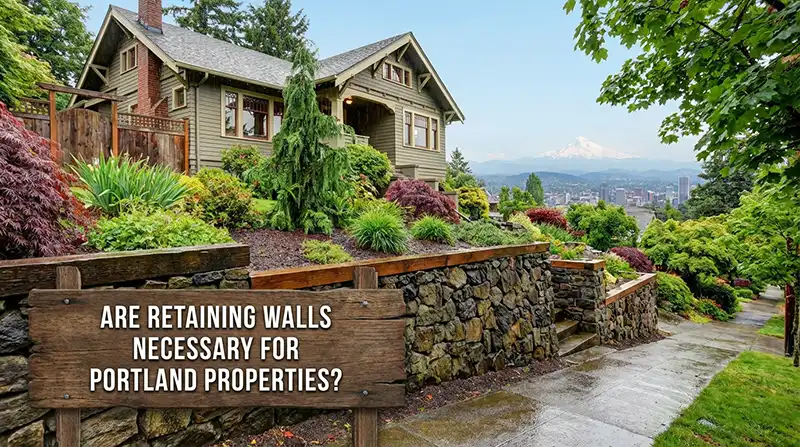
Imagine waking up to a backyard in Portland where your sloped terrain has turned into a muddy slide after a heavy rain, threatening your home’s foundation near Washington Park or along the Willamette River banks. For many Portland property owners, this isn’t just a nightmare—it’s a reality without proper retaining walls. As a Portland homeowner who’s seen firsthand how our city’s unique hilly landscapes demand smart solutions, I can tell you that retaining walls are often essential for properties with slopes, especially in areas like Multnomah County, Clackamas County, and Washington County. But are they truly necessary for your Portland property? Let’s dive deep into this question, drawing from over 37 years of local expertise at Monaghan’s Landscaping: Portland’s Trusted Hardscaping Experts for 37+ Years.
Understanding Portland’s Unique Terrain Challenges
Portland, Oregon, sits in a region renowned for its lush greenery and dramatic slopes, from the hills of the West Hills overlooking Forest Park to the gentle inclines near Tryon Creek State Natural Area. Our city’s soil is often clay-heavy, expansive, and prone to shifting during the wet winters we all know too well. Heavy rains—averaging over 36 inches annually—can cause soil erosion that undermines driveways near major intersections like SW Canyon Road and Beaverton-Hillsdale Highway, or destabilizes yards backing up to natural features like the Tualatin River. Without intervention, this erosion doesn’t just wash away mulch; it can crack foundations, flood basements, and even lead to landslides in steeper neighborhoods like those around Council Crest Park.
Retaining walls act as the unsung heroes here, holding back soil and creating usable flat space. Think of properties near shopping centers like Washington Square or schools such as Beaverton High—slopes there amplify water runoff, pooling at the base and saturating foundations. Professional installers, like those with decades of experience in Portland, analyze soil composition, slope angles, and load pressures to design walls that withstand these forces. For instance, in our work across Multnomah, Clackamas, and Washington Counties, we’ve seen how untreated slopes near Lake Oswego’s recreational areas lead to costly repairs, while well-built walls prevent issues for generations.
When Are Retaining Walls Absolutely Necessary?
Not every Portland property needs a retaining wall, but many do. If your yard drops more than 2-3 feet, experiences visible erosion after rains, or borders a driveway/pathway at risk from shifting soil, the answer is a resounding yes. Consider a typical scenario in Southwest Portland near Gabriel Park: a backyard slope where water cascades down, eroding the base and pushing against the house. Here, retaining walls aren’t optional—they’re critical for safety and property integrity.
Local building codes in Portland reinforce this. Walls over 4 feet typically require engineering permits to ensure they handle lateral earth pressure without failing. We’ve handled countless projects where ignoring this led to collapses, especially on clay soils common near the Tualatin Mountains. Signs you need one include cracking patios adjacent to slopes, standing water at the base, or tilting fences—common in areas like Beaverton near Murrayhill neighborhood. Professional assessment, including site analysis for utilities, plot lines, and drainage, is key. At Monaghan’s, our 37+ years serving the metro area mean we spot these issues early, preventing disasters.
Benefits Beyond Necessity: Enhancing Your Portland Property
Even if not strictly necessary, retaining walls transform Portland landscapes. They create terraced gardens perfect for our PNW climate, allowing planting of native ferns and rhododendrons on multiple levels. In neighborhoods like Raleigh Hills or near Pioneer Courthouse Square’s influence zones, these walls boost curb appeal, increasing property values by up to 20% according to local real estate trends tied to hardscaping.
Functionally, they manage drainage—vital near highways like I-5 interchanges where runoff is intense. Effective designs incorporate French drains and gravel backfill, directing water away from structures. Aesthetically, options like segmental block walls mimic natural stone, blending with Portland’s historic sites like the Pittock Mansion gardens. We’ve installed walls that not only hold soil but frame outdoor kitchens or fire pits, extending living space in compact lots near universities like Portland State.
Long-term, quality walls reduce maintenance. Durable materials resist our freeze-thaw cycles, avoiding the premature failures seen in DIY attempts. Investing upfront saves thousands in repairs, especially protecting assets like paver driveways near shopping hubs such as Clackamas Town Center.
Types of Retaining Walls Ideal for Portland Homes
Portland’s diverse needs call for versatile walls. Segmental retaining walls (SRWs) are popular for their interlocking blocks, easy to install on moderate slopes near parks like Sellwood Riverfront. Gravity walls suit shorter heights under 3 feet, using stacked stone for a natural look in Forest Park-adjacent yards.
Cantilever walls, reinforced concrete L-shapes, excel on steeper inclines near Tryon Creek, distributing load efficiently. For custom designs, anchored walls with geogrid soil reinforcement handle heights over 10 feet, common in Washington Park hills. Material choices include concrete blocks for affordability, natural stone for premium aesthetics matching Portland’s basalt landscapes, or timber for budget-friendly, temporary solutions—though less durable in wet conditions.
Our designs always prioritize drainage: weep holes, backfill with free-draining gravel, and geofabric prevent hydrostatic pressure buildup. Tailored to your site’s soil type—expansive clays need deeper footings—we ensure compliance with Portland’s codes for seismic stability, given our earthquake-prone region.
The Installation Process: What Portland Homeowners Can Expect
Installing a retaining wall starts with a free consultation. We assess your property’s slope, soil, sunlight, drainage, and utilities—crucial near intersections like SW Barbur Boulevard. Next, conceptual sketches visualize the layout, followed by detailed plans specifying materials and irrigation integration.
Excavation comes first: digging trenches wider than the wall base for footings poured with rebar-reinforced concrete. Backfill layers include gravel for drainage, compacted to prevent settling. Blocks or stones are laid level, with adhesive or pins for stability. Final touches: capstones, planting pockets, and lighting for evening ambiance in backyards near Lakewood Park.
The process takes 3-10 days depending on size, with minimal disruption. Post-install, warranties cover structural integrity, and we guide maintenance like clearing weep holes seasonally. Transparent estimates and communication ensure you’re informed, as trusted for over 37 years.
Real Portland Case Studies: Hands-On Experience
Take a Beaverton project near Murray Scholls: a failing timber wall threatened a driveway. We replaced it with a 6-foot segmental block system, incorporating drainage that halted erosion. The homeowner gained a terraced patio, boosting usability near local schools.
In Southwest Portland by Gabriel Park, a slope undermined a foundation. Our cantilever design with geogrid stabilized it, adding tiered gardens. Reviews highlight our precision: ‘Work done exactly as wanted, maybe better,’ echoing Yelp feedback on side yard stairways alongside walls.
Near Washington Square, a multi-level wall created flat play space, protecting against winter runoff. These aren’t hypotheticals—they’re documented successes from our portfolio, proving our expertise in Portland’s terrain.
Cost Considerations for Portland Retaining Walls
Costs vary: $20-50 per square foot for basic gravity walls, $40-80 for engineered SRWs. A 100 sq ft wall might run $4,000-8,000, including permits. Factors: height, materials (stone adds 20-30%), access near highways like I-217, and drainage features.
ROI is high: enhanced value, erosion prevention saves $10,000+ in repairs. Financing options and free quotes make it accessible. Compare to DIY pitfalls—improper footings lead to failures costing double to fix.
DIY vs. Professional Installation: Why Pros Win in Portland
DIY tempts, but Portland’s codes demand permits for walls over 4 feet, plus engineering for heights exceeding 8. Clay soils require precise compaction; amateurs often skip this, causing bulges. Pros like us handle utilities, ensuring no surprises near buried lines by parks.
Our tools—lasers, compactors—ensure level bases. Experience spots issues like poor drainage early. Reviews praise our reliability: fair pricing, quality exceeding standards, from Houzz to Yelp.
Maintaining Your Portland Retaining Wall for Longevity
Annual checks: clear debris from weep holes, inspect cracks, regrade soil. Plant deep-rooted natives upslope to bind soil. In freeze zones near Mt. Tabor, avoid ice buildup. With care, walls last 50+ years.
Integrate with Professional Retaining Wall Installation Services in Portland Metro Area for seamless hardscaping.
Frequently Asked Questions
Are retaining walls necessary for sloped yards in Portland?
Yes, for most sloped Portland properties, especially those dropping over 2-3 feet or showing erosion signs after rains common in our wet climate. In areas like West Hills near Forest Park or Beaverton slopes by Murrayhill, untreated soil shifts, threatening foundations and driveways. Retaining walls hold back earth pressure, create level spaces, and manage drainage—essential near water features like the Willamette River. Our 37+ years installing across Multnomah, Clackamas, and Washington Counties show that walls prevent landslides and boost usability. Without them, repair costs soar; with professional design considering soil type and codes, they last decades. Site analysis reveals if yours needs one—slight grades may not, but Portland’s clay soils often tip the scale. Free consultations confirm necessity tailored to your property near local landmarks like Washington Park.
What types of retaining walls work best in Portland’s climate?
Segmental retaining walls (SRWs) excel for Portland’s moderate slopes, interlocking blocks with built-in drainage suiting rainy winters near Tryon Creek. Gravity walls suit short drops under 3 feet in Gabriel Park yards, using mass for stability. Cantilever designs handle steeper inclines by Council Crest, reinforced for seismic activity. Choose concrete for durability against freeze-thaw near Mt. Tabor, or natural stone blending with basalt landscapes. Timber works temporarily but degrades in moisture. Our installations incorporate geogrid and French drains, complying with local codes. Versatile for neighborhoods like Raleigh Hills, they enhance aesthetics while preventing erosion near highways like I-5. Custom plans factor sunlight, vegetation, and utilities for optimal performance in PNW conditions.
How much does retaining wall installation cost in Portland?
Expect $20-80 per square foot in Portland, totaling $3,000-15,000 for average projects. Basics like gravity walls start low; engineered SRWs over 4 feet add for permits and materials. Location matters—access near SW Canyon Road hikes costs slightly. Materials: blocks affordable, stone premium. Drainage, footings, and backfill comprise 30%. Our transparent quotes include site analysis, no surprises. ROI: protects against erosion saving thousands, boosts value near shopping like Washington Square. Financing available; free estimates detail breakdowns. Factors like height near Beaverton schools or soil testing influence price, but quality lasts, reducing long-term expenses versus DIY failures.
Do I need a permit for a retaining wall in Portland?
Yes, Portland requires permits for walls over 4 feet, per city and county codes in Multnomah, Clackamas, Washington areas. Engineering stamps needed over 8 feet for safety against lateral pressure. We handle submissions, ensuring compliance with seismic standards vital post our region’s quakes. Even shorter walls may need review if near property lines or utilities by parks like Sellwood. Process: submit plans showing footings, drainage, materials. Delays avoided with pros experienced in local bureaucracy. Non-compliance risks fines or removal—seen in backyard disasters near Tualatin River. Free consults include permit guidance, streamlining your project near major intersections.
How long does retaining wall installation take in Portland?
Typically 3-10 days for Portland installs, depending on size, access, and weather. Small 50 sq ft walls: 2-3 days; larger terraced systems near Washington Park: a week plus. Prep (excavation, permits) adds 1-2 weeks. Our efficient crews minimize disruption—key in busy neighborhoods like Southwest Portland. Rain delays common, but scheduling optimizes dry windows. Post-install settling monitored. Reviews note punctuality: ‘Done exactly as planned.’ Complex sites near highways factor extra time for safety. End result: durable structure enhancing your property near schools or lakes.
Can retaining walls increase my Portland home’s value?
Absolutely—retaining walls boost Portland property values by 10-20% via usable space and erosion control. Terraced yards appeal near Forest Park, ideal for gardens or patios. Hardscaping signals quality, attracting buyers in competitive markets like Beaverton. Zillow trends show landscaped homes sell faster, higher. Walls protect foundations, avoiding devaluation from soil issues near Willamette banks. Aesthetic upgrades like stone mimic natural beauty by Pittock Mansion. Our projects add timeless appeal, ROI evident in appraisals. Combine with pavers or sprinklers for max impact in Clackamas County lots.
What maintenance do Portland retaining walls require?
Minimal: inspect annually for cracks, clear weep holes of debris post-rain near Gabriel Park. Regrade soil upslope, avoid planting shallow roots that overload. Check drainage in winter by Tryon Creek—ensure gravel backfill functions. Seal concrete every 3-5 years against PNW moisture. Timber needs treatment; blocks self-maintain. Our warranties cover defects; tips include monitoring settling near I-217. Neglect leads to hydrostatic failure—prevention simple. Longevity: 50+ years with care, saving repairs in clay-heavy zones.
Are there eco-friendly retaining wall options for Portland?
Yes, sustainable choices abound: permeable blocks allow water passage, reducing runoff near Tualatin River. Native stone low-impact, recycled concrete blocks green. Geogrid with deep-rooted plants stabilizes naturally. Integrate rain gardens downslope for Portland’s eco-focus. Our designs minimize excavation, preserve topsoil by parks. Low-VOC materials, solar lighting options. Complies with green building incentives in Multnomah County. Enhances biodiversity in yards near Lake Oswego rec areas.
How do I know if my slope needs a retaining wall?
Signs: erosion gullies after rain, cracking at base near driveways by Washington Square, pooling water, tilting structures. Measure drop—if over 2 feet near schools like Beaverton High, likely yes. Visual soil shift or foundation cracks signal urgency in hills by Council Crest. Free site analysis assesses soil, drainage, load. Portland’s clays amplify risks. Early action prevents escalation—our 37-year expertise spots subtle issues overlooked by owners.
Why choose professional installers like Monaghan’s in Portland?
Pros ensure code compliance, precise engineering against seismic/erosion threats in Portland metro. Our 37+ years, LCB#7419, top reviews on Yelp/Houzz prove reliability. Handle permits, utilities safely near intersections. Quality materials, transparent process exceed standards. Custom designs fit unique terrains by Forest Park. Avoid DIY pitfalls like poor footings causing failures. Free quotes, stellar service: ‘Knowledgeable, fair, great results.’ Trusted across counties for walls that endure PNW challenges.
Conclusion: Secure Your Portland Property Today
Retaining walls are often necessary—and always beneficial—for Portland’s sloped, rainy landscapes. From protecting homes near Washington Park to creating stunning terraces by local parks, they safeguard and elevate your space. Contact experts with proven local track record for a free quote to assess your needs.