
RETAINING WALL INSTALLATION IN PORTLAND, OREGON
Serving Portland Since 1987 | 285+ Five-Star Reviews Get Your Free Retaining Wall Quote!Why Portland Properties Need Retaining Walls
Portland properties face a combination of challenges that make retaining walls one of the most common landscaping investments across the metro area. Sloped lots, clay-heavy soil, and seasonal rainfall that averages over 43 inches per year create conditions where unmanaged slopes erode, drain poorly, and limit how much of the yard a homeowner can actually use. Retaining walls hold soil in place, redirect water flow, and convert steep grades into level, functional outdoor space.
Monaghan’s Landscaping has been building retaining walls throughout Multnomah, Clackamas, and Washington Counties since 1987. Every project starts with an on-site evaluation of your slope, soil, drainage, and access, because the right wall design depends entirely on what your specific property needs.
If you’re considering a retaining wall, call (503) 847-9110 to schedule a free consultation, or request a free quote online.
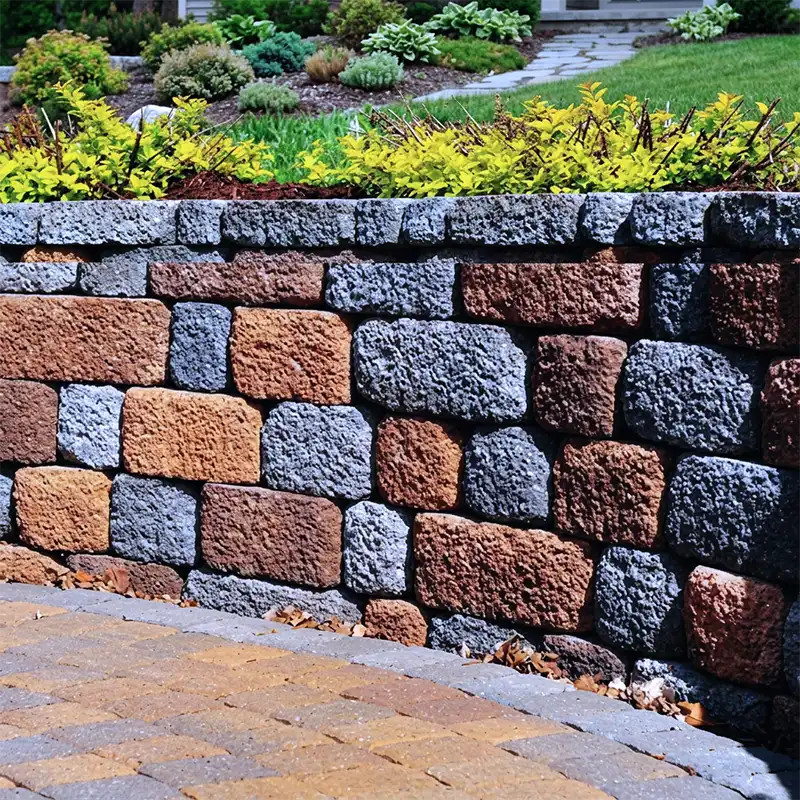
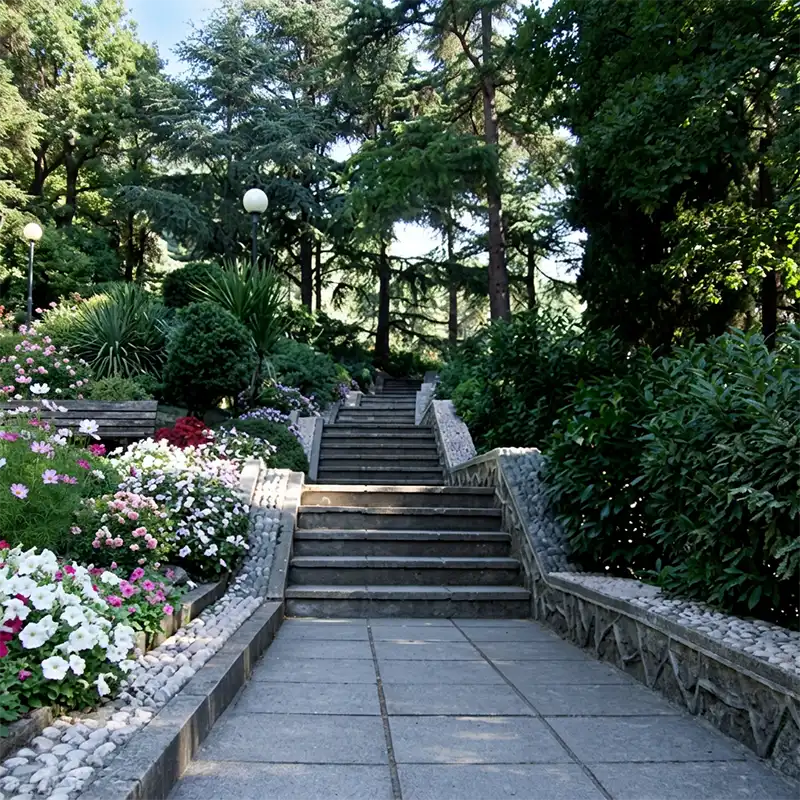
Retaining Walls as a Sloping Yard Solution
In nearby cities like West Linn and Lake Oswego, hillside properties frequently require retaining walls to stabilize slopes and create room for patios, garden beds, or lawn areas.
In Happy Valley and Damascus, elevation changes between neighboring lots make retaining walls a practical necessity for both drainage control and usable yard space.
Before construction begins, we evaluate the slope grade, soil composition, and drainage patterns on your property. We also verify that the wall design meets local building codes and coordinate utility locates to check for buried lines.
For walls over 4 feet, we’ll arrange engineering drawings and handle the permit process through the Bureau of Development Services.
Retaining Wall Aesthetics
Retaining walls aren’t just structural. A well-designed wall adds definition and curb appeal to your landscape. Many homeowners integrate patios, built-in seating, steps, or tiered planting beds into the wall design, creating both functional space and architectural interest.
We work with a range of materials suited to Portland’s climate, including concrete block systems, natural stone, limestone, and boulder walls. Each material offers a different look and performance profile, and the best choice depends on your property’s conditions, the wall’s structural requirements, and your design goals.
See What Your Neighbors Are Saying
Our Retaining Wall Installation Process
Every retaining wall project follows a structured process designed to get the wall right the first time. Here's what to expect when you work with Monaghan's.
Call (503) 847-9110 or fill out our short quote request form. We'll schedule a convenient time to visit your property and assess the project.
We'll visit your property to evaluate the slope, soil conditions, drainage patterns, and equipment access. This is where we determine what type of wall your property needs and identify any potential challenges before work begins.
You'll receive a detailed, written estimate covering materials, labor, drainage provisions, and any engineering or permit requirements. No surprises, no hidden costs.
For walls over 4 feet or walls supporting surcharge loads, we'll coordinate stamped engineering drawings and submit the permit application to the appropriate building department. We handle the paperwork so you don't have to.
We excavate to the required depth, establish proper drainage behind the wall with gravel backfill and perforated drain pipe, and compact the base to create a stable foundation.
The wall is built course by course with proper backfill at each level. For taller walls, we install geogrid reinforcement layers to ensure long-term structural stability.
We grade the surrounding area, complete all drainage tie-ins, and leave your property clean. We won't leave until we've earned your 5-star review.
Ready to get started? Call (503) 847-9110 or request your free quote today.
Types of Retaining Walls We Install
The right retaining wall material depends on your property’s slope, soil conditions, wall height, drainage requirements, and design preferences. Here’s an overview of the wall types we install most often across the Portland metro area.
Concrete Block Retaining Walls
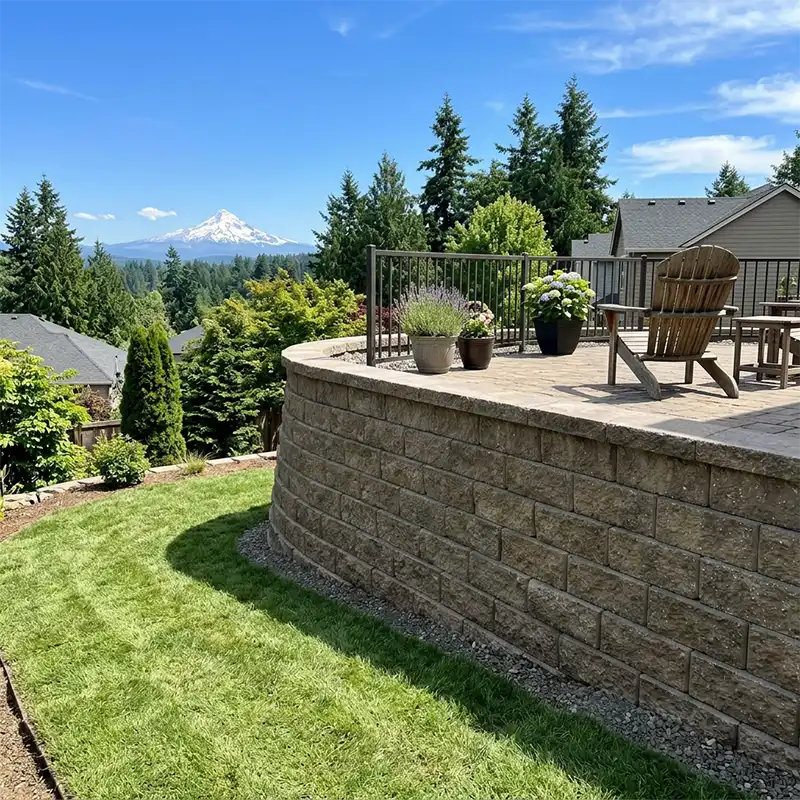
Concrete block systems are the most popular choice for residential retaining walls in the Portland area. Interlocking segmental blocks are engineered specifically for retaining wall construction, providing strong structural performance without requiring mortar. They’re available in a wide range of colors, textures, and face profiles, making it easy to match the look of your existing landscape. Concrete block walls handle Portland’s wet climate well and are compatible with geogrid reinforcement for taller installations.
Natural Stone Retaining Walls
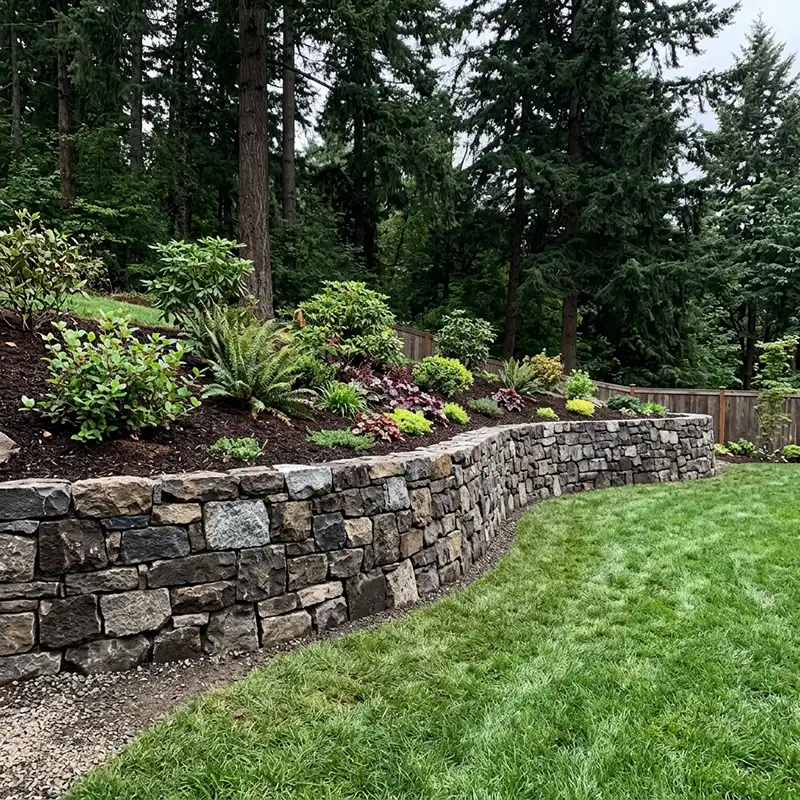
Natural stone walls offer a premium, custom look that blends well with the Pacific Northwest landscape. Basalt, granite, and locally sourced stone are common choices in the Portland metro. Stone walls typically cost more than block systems due to material and labor requirements, but they provide a distinctive appearance that’s difficult to replicate with manufactured products. Proper drainage behind a natural stone wall is especially important, as the joints between stones need to handle water movement without undermining the wall’s stability.
Boulder Retaining Walls
Boulder walls use large natural rocks stacked or placed to retain soil, and they’re a common solution on properties with a more natural or rustic landscape style. They work well for shorter walls and terraced applications where the goal is to blend the wall into the surrounding terrain rather than create a formal, finished appearance. Boulder walls require careful placement and properly prepared bases, especially in Portland’s clay-heavy soil where settling is a concern.
Poured Concrete Retaining Walls
Poured concrete is typically used for structural retaining walls that need to support significant soil pressure or surcharge loads like driveways and structures. This type of wall requires formwork, steel reinforcement, and engineered design. It’s less common for standard residential landscaping, but it’s the right choice when maximum structural performance is required. Poured concrete walls in Portland almost always require engineering drawings and city permits.
Timber Retaining Walls
Pressure-treated timber walls are one of the more affordable options for smaller landscape walls, garden terraces, and planter beds. They’re straightforward to install and work well for walls under 3 feet. However, timber has a shorter lifespan than stone or concrete in Portland’s wet climate. Moisture exposure and soil contact accelerate deterioration over time, so we typically recommend timber only for applications where long-term durability isn’t the primary concern.
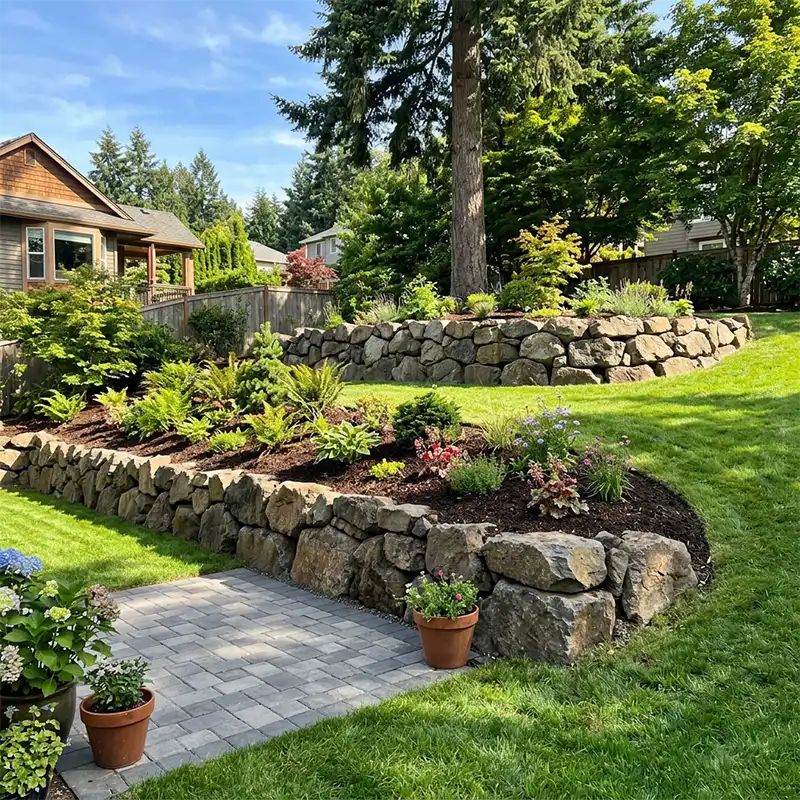
Choosing the Right Wall Type
You don’t need to decide on a wall type before contacting us. During the on-site consultation, we’ll evaluate your property and recommend the wall system that fits your slope, soil, budget, and design goals. If you’d like to research options ahead of time, our Retaining Wall Planning Guide covers materials, design considerations, and what to expect during the installation process.
Retaining Walls in Portland: What You Need to Know
Portland’s geography and climate create specific conditions that affect how retaining walls need to be designed and built. Understanding these factors helps you make better decisions about your project.
⛰️ Soil & Drainage Conditions
Most properties in the Portland metro sit on clay-heavy soil that retains moisture and drains slowly. During the rainy season, which typically runs from October through May, this soil becomes saturated and expands, putting increased lateral pressure on retaining walls. Proper drainage behind the wall isn’t optional here: it’s the single most important factor in whether a wall lasts 5 years or 50. Every retaining wall we build includes gravel backfill and perforated drain pipe to manage water pressure and protect the wall’s structural integrity.
📋 Permits & Building Codes
In the City of Portland, retaining walls over 4 feet in height require a building permit through the Bureau of Development Services. Walls over 4 feet also typically require stamped engineering drawings from a licensed structural engineer. If you’re outside Portland city limits, permit requirements vary by jurisdiction. Clackamas County, Washington County, and individual cities like Lake Oswego, West Linn, and Happy Valley each have their own permitting processes. We handle permit applications as part of our installation service regardless of which jurisdiction your property falls under.
🗓️ Seasonal Timing
The best time for retaining wall installation in the Portland area is typically late spring through early fall, when the soil is drier and easier to excavate. That said, we build walls year-round. Winter projects are possible but may require additional site preparation to manage wet conditions. If you’re planning a spring or summer project, scheduling your consultation in the winter months helps ensure you’re in the queue when the building season starts.
Retaining Wall Cost in Portland, Oregon
Retaining wall installation in the Portland metro area typically costs between $3,500 and $50,000+, depending on wall height, materials, drainage requirements, site access, and whether engineering or permits are needed.
| Project Size | Common Applications | Typical Range |
|---|---|---|
| Small Retaining Walls | Garden walls, planting bed borders, modest grade changes, yard transitions | $3,500 - $7,500 |
| Medium Structural Walls | Slope stabilization, drainage improvement, creating usable yard space on sloped lots | $8,000 - $18,000 |
| Large Engineered Walls | Steep terrain, major erosion control, surcharge loads, projects requiring engineering and permits | $18,000 - $50,000+ |
Several factors specific to Portland properties affect project pricing. Clay-heavy soil often requires more extensive drainage provisions. Tight backyard access in older neighborhoods like Sellwood or Laurelhurst can increase labor costs when materials need to be moved by hand rather than machine. Properties with steep grades may need additional excavation and engineered geogrid reinforcement. And walls over 4 feet add the cost of engineering drawings and city permits.
For a more detailed breakdown of pricing by wall type, height, and material, see our Retaining Wall Cost Guide for Portland Homeowners. You can also review the key factors that affect retaining wall cost to understand what drives the estimate for your specific property.
Pricing ranges last verified: .
Every Property Is Different
The right wall design depends on your slope, soil, drainage, and goals. Let us assess your property and provide an accurate, no-obligation estimate.
"The retaining wall completely transformed our backyard. Professional crew, clean work, done on schedule."

Gene Banducci
West Linn, Oregon
Frequently Asked Questions
Quick Reference
Monaghan's Landscaping LLC
7925 SW Canyon Ln, Portland, Oregon 97225
Monday through Saturday, 7:00 AM to 6:00 PM
Fully licensed, bonded, and insured
A+
All of Multnomah, Clackamas, and Washington Counties
1987
Q: What does retaining wall installation involve?
Retaining wall installation involves excavating the site, preparing a compacted gravel base, building the wall course by course with proper backfill and drainage at each level, and grading the surrounding area when the wall is complete. In Portland, the process also typically includes drainage provisions like perforated pipe and gravel backfill to manage the region's heavy seasonal rainfall. Depending on wall height and site conditions, engineering drawings and city permits may be required before construction starts.
Q: What types of retaining walls can you install?
We install concrete block, natural stone, boulder, poured concrete, and timber retaining walls. Concrete block systems are the most common choice for residential projects in the Portland metro area because they offer strong structural performance, good drainage compatibility, and a wide range of design options. The best wall type for your property depends on slope, soil, height requirements, and your design preferences.
Q: What materials are best for retaining walls in Portland?
Concrete block and natural stone perform best in Portland's wet climate. Both materials handle moisture well and are compatible with the drainage systems that are essential in the Pacific Northwest. Timber walls are less durable here due to prolonged moisture exposure, especially in areas with clay-heavy soil that stays saturated well into spring. For a detailed comparison, see our guide to retaining wall materials for Portland homes.
Q: How long does retaining wall installation take?
Most residential retaining wall projects in the Portland metro take 3 to 7 working days from excavation to completion. Smaller garden walls may take 2 to 3 days, while larger structural walls that require engineering, deeper excavation, or more complex drainage can take 7 to 10 days. Weather, backyard access, and permit timing can also affect the schedule.
Q: Can you build a retaining wall on a steep slope?
Yes. Steep slopes are one of the most common reasons homeowners in cities like West Linn, Lake Oswego, and Happy Valley need retaining walls. Steeper grades typically require taller walls, engineered designs with geogrid reinforcement, and more extensive drainage systems. In some cases, a tiered wall system with two or more levels is a better solution than a single tall wall, both structurally and visually.
Q: Do you install tiered retaining walls?
Yes, tiered retaining walls are a common solution for properties with significant elevation changes. Instead of one tall wall, the slope is divided into two or more shorter walls with level planting areas or usable space between them. Tiered systems distribute soil pressure across multiple structures and often create a more attractive landscape design. They're especially popular in hillside neighborhoods throughout the Portland metro.
Q: Can retaining walls support a patio above them?
Yes, retaining walls can be engineered to support surcharge loads like patios, driveways, and other structures above the wall. This requires a wall design that accounts for the additional weight, which usually means deeper footings, geogrid reinforcement, and potentially stamped engineering. Many of our projects combine a retaining wall with a paver patio on the leveled area above it, creating functional outdoor living space on previously unusable slopes.
Q: How much does a retaining wall cost in Portland?
Retaining wall installation in the Portland metro typically ranges from $3,500 to $50,000+ as of 2026. Small garden and landscape walls generally fall between $3,500 and $7,500, medium structural walls run $8,000 to $18,000, and large engineered walls on steep properties can reach $18,000 to $50,000 or more. The final cost depends on wall height, materials, drainage requirements, site access, and whether engineering or permits are needed. For a detailed breakdown, see our Retaining Wall Cost Guide for Portland Homeowners.
Q: What factors affect retaining wall cost?
The biggest cost drivers are wall height, material choice, and the drainage work required behind the wall. Portland's clay-heavy soil often means more extensive drainage provisions than you'd need in a drier climate. Tight backyard access in older neighborhoods like Sellwood or Laurelhurst can increase labor costs when materials need to be moved by hand. Engineering drawings and permits add to the cost for walls over 4 feet. For a full overview, see our guide to retaining wall cost factors in Portland.
Q: Do you provide free estimates for retaining walls?
Yes. We provide free on-site consultations and written estimates for all retaining wall projects throughout Multnomah, Clackamas, and Washington Counties. The estimate covers materials, labor, drainage, and any engineering or permit costs so you know the full scope before committing. Call (503) 847-9110 or request your free quote online to get started.
Q: Do I need a permit for a retaining wall in Portland?
In the City of Portland, a building permit is required for any retaining wall over 4 feet in height or any wall that supports a surcharge load such as a driveway or structure. Walls over 4 feet also typically require stamped engineering drawings from a licensed structural engineer. If your property is outside Portland city limits, permit requirements vary by jurisdiction: Clackamas County, Washington County, and cities like Lake Oswego, West Linn, and Happy Valley each have their own permitting processes.
Q: What heights require engineering for retaining walls?
Retaining walls over 4 feet in height generally require engineered designs in the Portland metro area. This means stamped drawings from a licensed structural engineer that account for soil pressure, drainage loads, and seismic considerations. Walls supporting surcharge loads (like a patio, driveway, or structure above the wall) may also require engineering regardless of height. The engineering process adds cost and lead time to the project, but it's essential for structural safety and code compliance.
Q: How does Monaghan's handle permits?
We handle the permit process as part of our installation service. For projects that require permits, we coordinate the engineering drawings, prepare the application, and submit it to the appropriate building department, whether that's Portland's Bureau of Development Services, Clackamas County, Washington County, or another local jurisdiction. Permit review typically takes 2-4 weeks depending on the jurisdiction and project complexity. You don't need to manage the paperwork separately.
Q: What warranty does Monaghan's offer on retaining walls?
Monaghan's provides a 3-year workmanship warranty on all structures we build, including retaining walls. If a wall is found to be defective due to our workmanship within 3 years of completion, we'll repair it. The warranty applies when the project uses all recommended products and preparation techniques. Equipment such as lighting and fixtures installed as part of the project also carries a 3-year warranty against workmanship or factory defects. Any plantings included in the project are covered for 1 year, provided watering instructions have been followed.
Q: How does drainage work with retaining walls?
Every retaining wall needs a drainage system behind it to prevent hydrostatic pressure from building up against the wall. In the Portland area, this typically includes a bed of gravel backfill, a perforated drain pipe at the base of the wall, and in some cases weep holes or surface drainage tie-ins. Without proper drainage, water trapped behind the wall creates pressure that can cause leaning, cracking, or complete failure over time. Portland's heavy seasonal rainfall makes this the single most critical element of any retaining wall installation here.
Q: What drainage is needed behind a retaining wall in Portland?
Portland's clay-heavy soil and rainy season (typically October through May) mean retaining walls here need more robust drainage than walls in drier climates. At minimum, we install clean gravel backfill behind the wall and a perforated drain pipe at the base to collect and redirect water away from the structure. On properties with particularly poor drainage or high water tables, additional measures like French drain systems or regrading may be needed to manage water flow before it reaches the wall.
Q: Can retaining walls help with erosion control?
Yes. Retaining walls are one of the most effective long-term erosion control solutions for sloped properties. They hold soil in place, redirect water flow, and prevent the gradual loss of soil that happens on unmanaged slopes during Portland's rainy months. Properties in cities like Damascus and Happy Valley, where elevation changes between lots are common, often use retaining walls specifically to stop soil from washing downhill onto neighboring properties or into drainage systems.
Q: Can retaining walls fix a sloped backyard that's hard to use?
That's one of the most common reasons homeowners contact us. A retaining wall can convert a steep, unusable slope into level sections for patios, lawn areas, garden beds, or outdoor living spaces. Tiered wall systems are especially effective for significant grade changes, creating multiple usable levels out of a single hillside. For more ideas, see our guide on how to fix a sloped backyard that's hard to use.
Q: How long do retaining walls last?
A properly built retaining wall with adequate drainage can last 50 years or more. Concrete block and natural stone walls tend to have the longest lifespans in Portland's climate. Timber walls have a shorter lifespan, typically 10-20 years, because prolonged moisture exposure accelerates deterioration. The biggest factor in wall longevity isn't the material itself; it's whether the drainage behind the wall was designed and installed correctly. A wall without proper drainage in Portland's wet climate can start showing problems within 5-10 years.
Q: How do I maintain a retaining wall?
Retaining walls are low maintenance, but annual inspections help catch problems early. Check for visible leaning, cracks, or soil washing out from behind the wall, especially after the rainy season. Keep drainage weep holes clear of debris so water can exit freely. Remove vegetation growing in or behind the wall that could displace blocks over time. If you notice water pooling at the base of the wall or the wall leaning forward, those are signs the drainage system may need attention.
Q: What are signs my retaining wall needs repair?
The most common warning signs are visible leaning or tilting, horizontal cracks wider than 1/4 inch, blocks or stones that have shifted out of alignment, soil eroding from behind or beneath the wall, and water pooling at the base instead of draining away. Any of these can indicate drainage failure, foundation problems, or structural overload. If you're seeing one or more of these signs, it's worth having the wall assessed before the damage gets worse. Some walls can be repaired; others may need full replacement depending on the severity.
Q: Can I plant in front of my retaining wall?
Yes, but choose plants with shallow root systems to avoid disturbing the wall's foundation. Groundcovers, ornamental grasses, and small shrubs work well. Avoid large trees or deep-rooted shrubs planted directly in front of or behind the wall, as their roots can displace blocks, compromise drainage, or put pressure on the structure over time. We can recommend specific plantings that complement the wall design without creating long-term structural risks.
Q: Can retaining walls increase property value?
Yes. A well-built retaining wall can increase property value by creating usable outdoor space that didn't exist before, improving curb appeal, and solving drainage or erosion problems that would otherwise concern buyers. In the Portland metro, where sloped lots are common in cities like West Linn, Lake Oswego, and Happy Valley, a retaining wall that transforms an unusable hillside into a level patio or lawn area adds both functional square footage and visual appeal to the property.
Q: Does Monaghan's offer design services for retaining walls?
Yes. Retaining wall design is part of our consultation process. During the on-site visit, we'll assess your property and discuss options for wall placement, material selection, height, and how the wall integrates with the rest of your landscape. For more complex projects involving tiered walls, integrated patios, steps, or lighting, we provide detailed design plans before construction begins. The goal is to make sure the wall solves the structural problem while fitting the look and function you want for your yard.
Q: Can you match an existing retaining wall on my property?
In most cases, yes. We can source matching or closely compatible materials to extend or complement an existing wall. If the original block or stone is still in production, we'll match it directly. If it's been discontinued, we'll find the closest available option and plan the transition so the new section blends with the old. During the consultation, we'll assess the existing wall's condition and recommend whether matching, extending, or replacing it is the best approach for your situation.
Q: Is Monaghan's licensed for retaining wall work in Oregon?
Yes. Monaghan's Landscaping is a licensed landscape contractor in the State of Oregon under LCB# 7419. We're also fully bonded and insured for all work we perform. You can verify our license status directly through the Oregon Landscape Contractors Board. Our licensing covers retaining wall installation, hardscaping, drainage work, irrigation, and all other landscaping services we offer across Multnomah, Clackamas, and Washington Counties.
Q: What insurance does Monaghan's carry?
We carry general liability insurance and workers' compensation coverage for all crew members. This protects you as the homeowner in case of property damage or injuries during the project. We're happy to provide proof of insurance during the estimate process. Working with an uninsured contractor puts the homeowner at financial risk if something goes wrong on the job site, so we'd encourage you to verify insurance with any contractor you're considering.
Q: What areas do you serve for retaining wall installation?
We serve the entire Portland metro area, including all of Multnomah County, Clackamas County, and Washington County. That covers Portland, Beaverton, Lake Oswego, West Linn, Milwaukie, Gladstone, Clackamas, Happy Valley, Damascus, Oregon City, Tigard, Tualatin, and surrounding communities. If you're not sure whether we serve your area, give us a call at (503) 847-9110 and we'll let you know.
Q: How soon can you start a retaining wall project?
We can typically schedule an on-site consultation within a few business days of your initial contact. Once you approve the estimate, project start times depend on the season and our current schedule. Spring and summer are the busiest months for retaining wall work in Portland, so scheduling your consultation in the winter or early spring helps ensure you're in the queue when the building season starts. Projects requiring engineering and permits will also need lead time for those processes before construction can begin.
Q: What should I look for when choosing a retaining wall contractor?
Verify that they're licensed with the Oregon Landscape Contractors Board and carry both general liability and workers' compensation insurance. Ask for a written estimate that itemizes materials, labor, drainage, and any permit or engineering costs. Ask specifically how they plan to handle drainage behind the wall, because that's where most retaining wall failures originate. Look at reviews from recent customers and ask for references from projects similar to yours. A contractor who's unwilling to provide any of these should be a red flag.
Q: What are common retaining wall failures?
The most common retaining wall failures stem from inadequate drainage, insufficient base preparation, and undersized wall designs. When water builds up behind a wall without a way to escape, the hydrostatic pressure pushes the wall forward until it leans, cracks, or collapses. Walls built on poorly compacted bases can settle unevenly, and walls that aren't designed for the actual soil load they're retaining can be structurally overwhelmed. In the Portland area, drainage failure is the number one cause we see when we're called to assess a failing wall.
Q: Are there eco-friendly retaining wall options?
Yes. Permeable block systems allow water to pass through the wall face, reducing runoff and supporting natural groundwater recharge. Some concrete block manufacturers offer products made with recycled content. Boulder walls and natural stone walls use minimally processed materials that blend with the natural landscape. On sloped properties, integrating retaining walls with bioswales or rain gardens can create a combined erosion control and stormwater management system that works with Portland's wet climate rather than against it.
Q: Do retaining walls need footings?
All retaining walls need a stable base, but the type of footing depends on the wall system. Segmental concrete block walls sit on a compacted gravel base that's typically excavated 6-12 inches below grade and leveled precisely. Poured concrete walls require a reinforced concrete footing that extends below the frost line. The base is the foundation of the entire wall: if it's not level, properly compacted, and adequately sized for the wall height, the wall will eventually settle or lean. In Portland's clay soil, getting the base right is especially important because the soil shifts with moisture changes.
Q: Does Monaghan's do emergency retaining wall repairs?
Yes. If a retaining wall has failed or is actively leaning, we can assess the situation quickly and recommend immediate steps to stabilize the area. Emergency wall failures are most common during Portland's rainy season when saturated soil puts maximum pressure on walls with inadequate drainage. Call (503) 847-9110 if you're dealing with a wall that's failing and needs urgent attention.
Q: When is the best time to install a retaining wall in Portland?
The ideal window is late spring through early fall, when the soil is drier and easier to excavate and compact. That said, we build retaining walls year-round in Portland. Winter projects are possible but may require additional site preparation to manage wet soil conditions. If you're planning a spring or summer installation, scheduling your consultation during the winter months helps ensure your project is in the queue when the building season picks up.
Why Portland Homeowners Choose Monaghan’s Landscaping
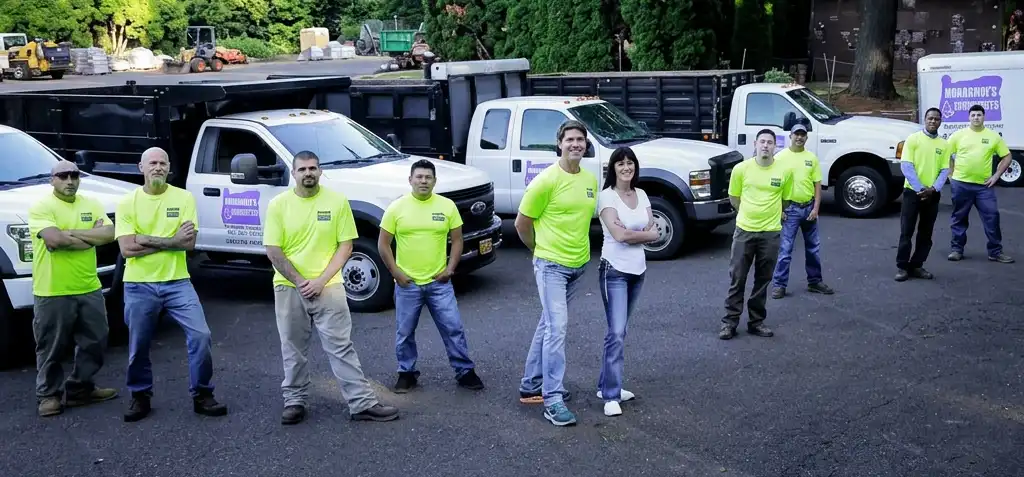
When you’re investing in landscaping projects for your property, you want a contractor who understands Portland-area soil, climate, and terrain. Here’s why homeowners across the metro area trust Monaghan’s.
38+
years in Portland
285+
five-star reviews
A+
BBB rating
3 yr
workmanship warranty
Licensed, bonded, insured — Oregon LCB# 7419 👈 click to verify
Free written estimates — on-site consultation, full scope before work begins
5-star commitment — we won't leave until we've earned your 5-star review, see our live Google reviews
Eco-friendly equipment — electric at 65-70 dB, quieter than conversation, no nasty exhaust fumes
Landscaping Contractor Services In Portland, OR
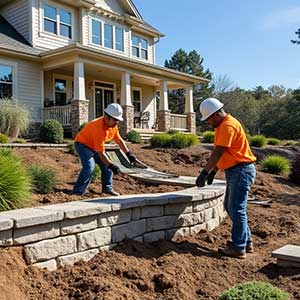
Retaining Wall Installation
You’re already here! Whether you’re stabilizing a slope, creating level yard space, or solving a drainage problem, our retaining wall installations are engineered for Portland’s clay soil and wet climate. From small garden walls to large structural projects requiring engineering and permits, we’ll design a wall that fits your property and your goals. Call (503) 847-9110 or request your free quote online to get started.
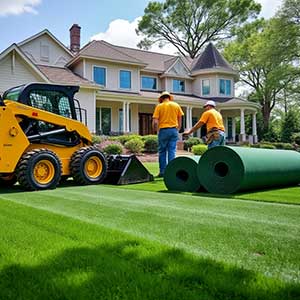
New Sod Lawn Installation
Once a retaining wall creates level ground, that new space is ready for a lawn. We install sod throughout the Portland metro using perennial ryegrass and fine fescue blends recommended for the Pacific Northwest climate. From Sellwood bungalow yards to larger properties in the West Hills, fresh sod gives you an instant, usable lawn rather than waiting months for seed to establish. Many homeowners pair their retaining wall project with sod installation on the newly leveled area above or below the wall.
Automatic Sprinkler System Installation
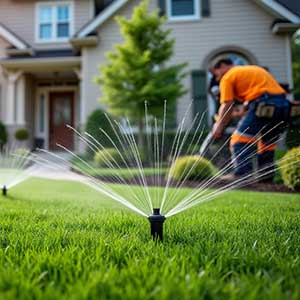
A new lawn or planting area created by a retaining wall project needs consistent watering to establish. We design and install automatic sprinkler systems with proper zone coverage that accounts for the different watering needs of flat areas, slopes, and planting beds. If your retaining wall project includes new landscaping, adding irrigation at the same time avoids tearing up finished work later to run lines.
Artificial Turf Installation
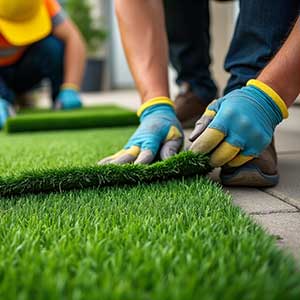
If you’d rather skip the mowing and watering, artificial turf is a low-maintenance alternative for the level spaces a retaining wall creates. Modern synthetic grass looks realistic year-round and holds up well in Portland’s wet winters without becoming muddy or waterlogged. It’s a popular choice for smaller yards, play areas, and pet-friendly spaces where natural grass struggles to thrive in shaded or high-traffic conditions.
Paver Installation
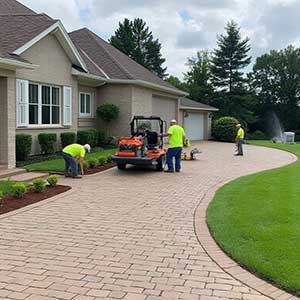
Retaining walls and pavers are one of our most common project pairings. A retaining wall levels the ground, and a paver patio, walkway, or seating area transforms that space into an outdoor living area. We install concrete, brick, natural stone, and permeable pavers designed for Portland’s freeze-thaw cycles and seasonal rainfall. If you’re considering a wall and patio together, we can design both as a single coordinated project.
Areas We Serve
Don't See Your Area? Give us a call, we probably serve your area too! Call (503) 847-9110
Monaghan’s Landscaping, As Seen On:


