
LANDSCAPE PLANNING GUIDE FOR PORTLAND AREA HOMEOWNERS
Start with what your yard needs. The rest gets easier from there.
Planning landscaping improvements in the Portland area means understanding your yard’s slope, drainage, and the region’s rainy seasons.
This guide will help you evaluate your property and understand what to ask for when you’re ready to talk to a contractor.
📘 In this Guide…
This guide walks you through how to evaluate your property, set priorities, and explore landscaping ideas that can transform your outdoor space into something more usable and enjoyable.
▸ Getting started
▸ Evaluating your yard before planning improvements
▸ Common landscaping goals for Portland properties
▸ Solutions for slopes, drainage, and difficult yards
▸ Real examples of landscaping transformations
▸ How to estimate the size of your project
▸ Professional landscaping services you may need
▸ Helpful landscaping guides
Getting Started With Landscape Planning
What Is Landscape Planning?
Landscape planning is the process of deciding how you want to use your yard and choosing improvements that will make the space more functional, attractive, and easier to maintain. Instead of jumping straight into planting or construction, good planning helps you evaluate your property, understand how factors like slope, drainage, and sunlight affect the yard, and determine which landscaping features will work best together.
For many homeowners in the Portland area (and surrounding cities like West Linn, Lake Oswego, Tigard, Beaverton, etc.), landscape planning means thinking about how to turn challenging yards into usable outdoor spaces. Projects may include patios, retaining walls, planting beds, lawns, irrigation systems, and outdoor living areas. By planning first, you can prioritize the improvements that will make the biggest difference and create a landscape that fits both your property and the way you want to enjoy your yard.
Before you start choosing materials or sketching ideas, answer four questions:
- How do you want to use the space?
- What parts of the yard frustrate you right now?
- How much maintenance are you willing to do?
- And where does water go when it rains?
If you can answer those, the rest of the planning process gets much more focused.
Start by Evaluating Your Yard
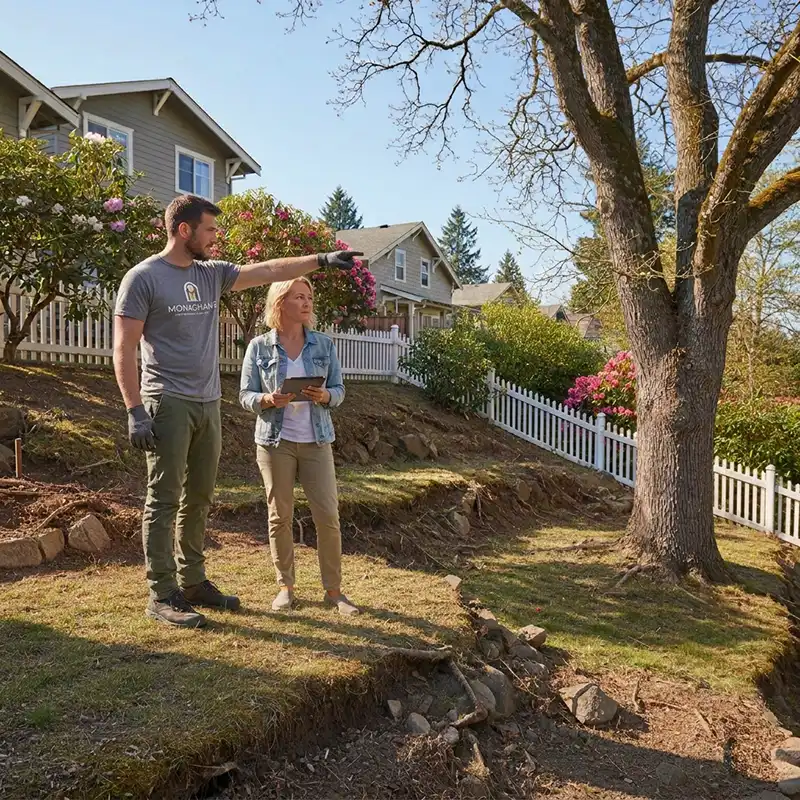
Before choosing plants, patios, or lawn upgrades, spend 15 minutes walking your property after a heavy rain. That’s when Portland yards reveal their real problems.
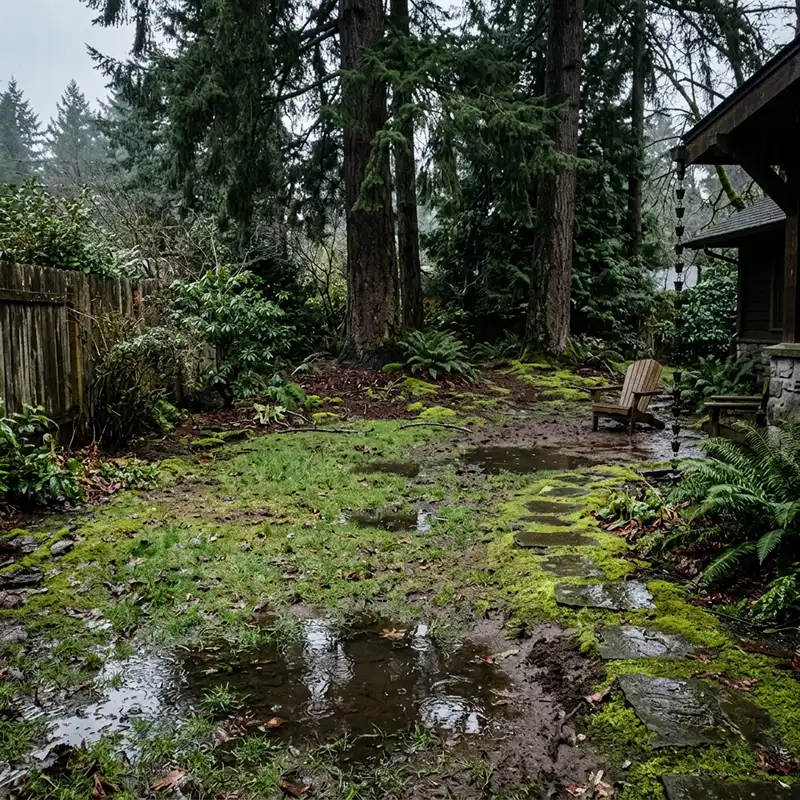
Look for water. Where does it pool? Where does it flow? Does it collect against the foundation, sit in low spots on the lawn, or run downhill toward a neighbor’s property? These are drainage problems that need to be solved before any other landscaping goes in.
Look at the ground. Where is soil washing downhill? Where has moss replaced grass? Where are bare mud patches that never recover? These areas tell you what’s failing and why.
Look at the slope. Which parts of the yard are too steep to mow, walk on comfortably, or use for anything? A slope you can’t use is wasted square footage. Retaining walls and terracing can turn those areas into level, functional space.
Look at the sun. Which areas get full sun in summer? Which are shaded by trees or the house for most of the day? Sun exposure determines what will grow where, and whether natural grass, artificial turf, or shade-tolerant plantings are the right choice for each zone.
Look at access. How do you move through the yard? Are there natural paths you walk every day that don’t have walkways? Are there areas you avoid because the ground is uneven or soggy?
These patterns tell you where hardscape and grading improvements will make the biggest difference.
The areas that frustrate you most are usually the areas that need attention first. Identifying them before you start planning keeps the project focused on solving real problems instead of just adding features.
When you schedule a free consultation with Monaghan’s, we walk the property with you and assess every one of these factors. The result is a written proposal that specifies what needs to happen, what materials will be used, and what it will cost, with line-item pricing, before you commit to anything.
Common Landscaping Goals
Create Usable Backyard Space
If parts of your yard feel difficult to use, landscaping improvements can help turn those areas into comfortable outdoor spaces for relaxing or entertaining
In cities like West Linn and Happy Valley, steep lots leave large portions of the yard unusable. Retaining walls and terracing can reclaim that space.
Improve Curb Appeal
Front yard landscaping can dramatically change how your home looks from the street. Walkways, planting beds, and lawn improvements can all make a strong first impression.
In neighborhoods like Eastmoreland and Laurelhurst, front yard landscaping sets the tone for the entire street. A new lawn, walkway, or planting bed makes an immediate difference.
Reduce Maintenance
If you’re tired of constantly maintaining your yard, planning a lower maintenance landscape design can save time while still keeping your property attractive.
Portland’s wet season encourages moss, mud, and overgrowth that makes high-maintenance yards exhausting. Artificial turf, native plantings, and hardscape reduce the workload year-round.
Landscape Planning Scenarios
⛰️ Planning Landscaping for a Sloped Backyard
If your yard has a slope, planning becomes especially important. Sloped terrain can make parts of the yard difficult to use and can sometimes lead to erosion or drainage issues.
Instead of trying to fight the slope, landscaping improvements can work with the natural shape of your property. Terracing, retaining walls, and planting beds can turn a hillside into several usable outdoor spaces.
🏠 Planning Landscaping for Outdoor Living Space
If you’d like to spend more time outside, your landscaping plan might focus on creating a comfortable outdoor living area. Patios, seating areas, and walkways can help define how the yard is used.
When these features are planned carefully, they can make your backyard feel like a natural extension of your home.
💧 Planning Landscaping for a Backyard That Holds Water
If parts of your yard stay muddy or collect water after rain, it usually means drainage needs to be addressed before other landscaping improvements are installed.
Planning ahead allows drainage solutions to be built into the design so patios, lawns, and planting areas stay usable throughout the year.
🤦♂️ Planning Landscaping for a Backyard That Feels Hard to Maintain
If your yard feels like it constantly needs attention, you’re not alone. Some landscapes require frequent mowing, watering, trimming, and seasonal cleanup just to keep them looking decent.
When you’re planning landscaping improvements, it can help to think about ways to simplify maintenance while still improving the look of the space. Changes like updated lawn areas, better drainage, or new planting layouts can make a yard easier to manage without sacrificing appearance.
What Landscaping Transformations Can Look Like
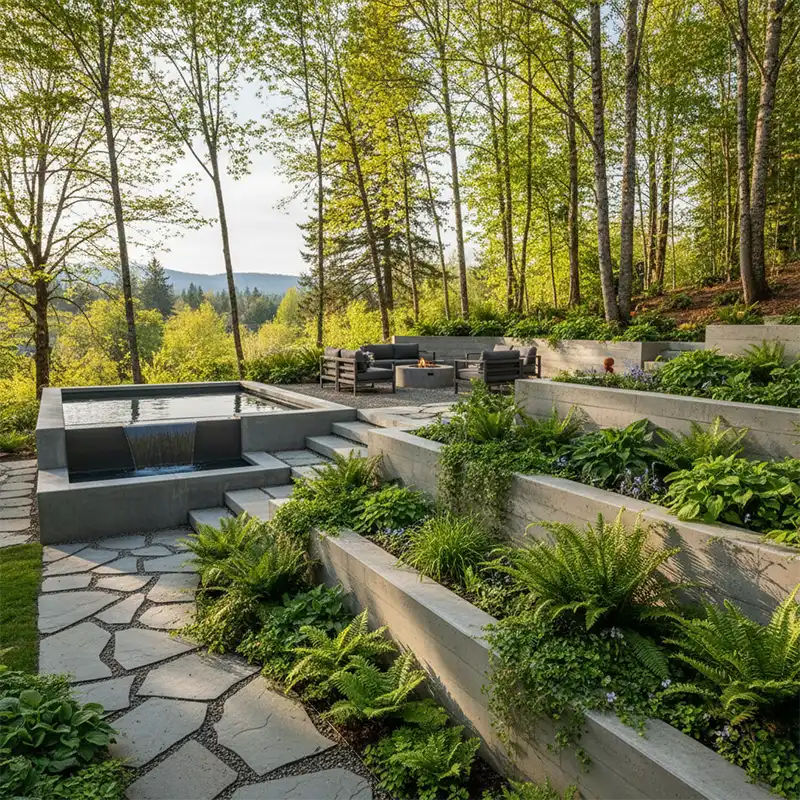
Backyard Terraced Levels
A steep backyard can make parts of the yard difficult to use and limit space for planting or outdoor activities.
Solution: Terraced retaining walls reshape the slope into several level areas that can support lawn space, garden beds, or future outdoor features.
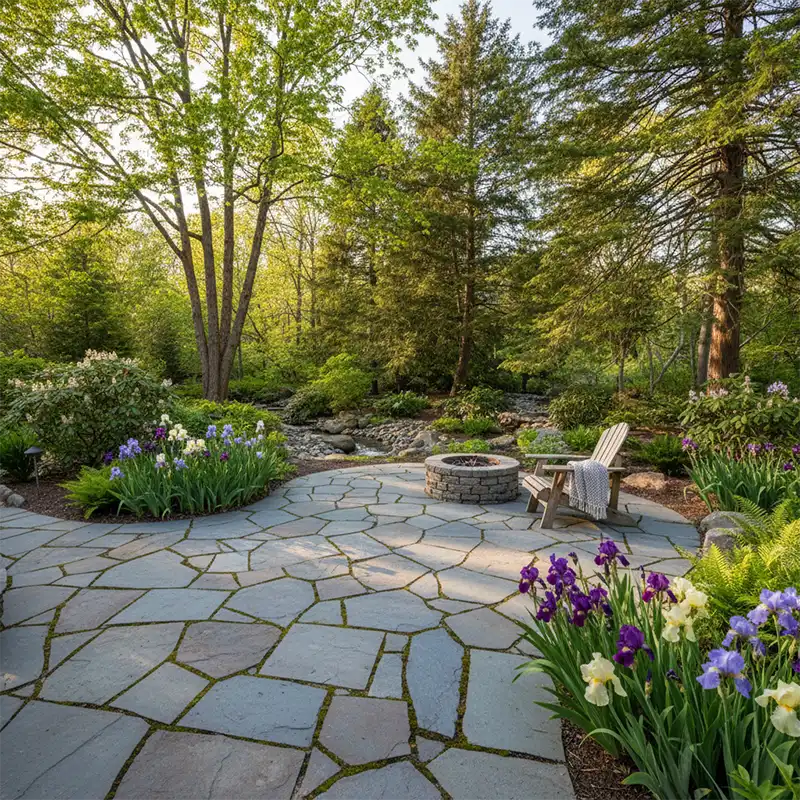
Elegant Paver Patios
Once a yard has level areas, many homeowners want a comfortable space where they can relax, dine, or entertain guests.
Solution: A professionally installed paver patio creates a stable outdoor living area that turns part of the yard into a welcoming gathering space.
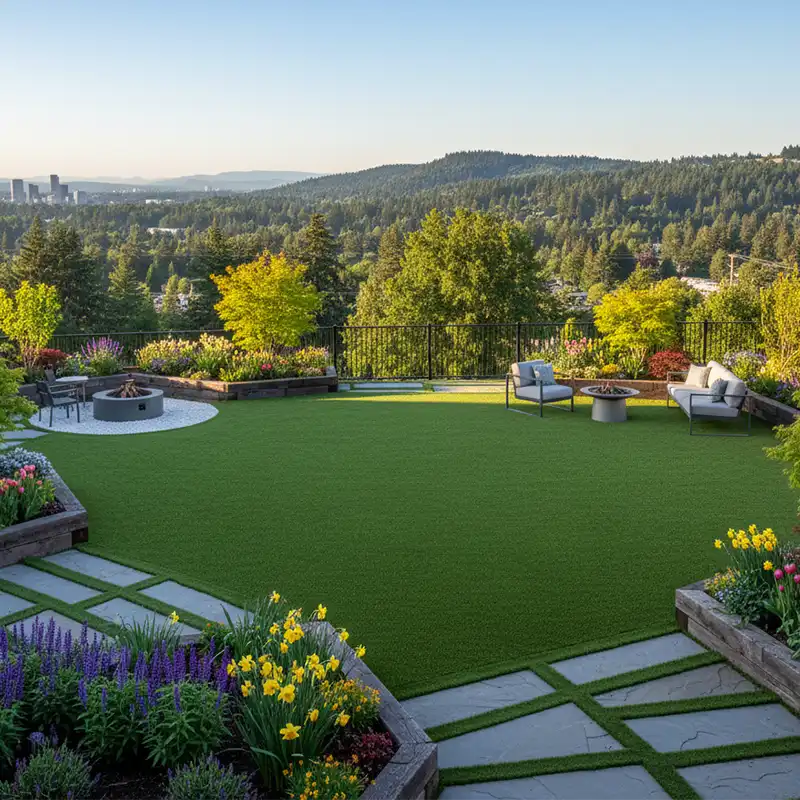
Low Maintenance Lawn
After larger landscape improvements are completed, homeowners often want a lawn that stays clean, green, and easy to maintain.
Solution: Lawn upgrades such as fresh sod or artificial turf create a durable, attractive surface that finishes the yard and makes the space easier to enjoy year-round.
How Big Is the Project You’re Thinking About?
Landscaping projects can vary quite a bit in size. Some improvements are relatively small upgrades, while others completely transform how your yard works.
Thinking about the scale of your project can help you decide what types of improvements might make the most sense for your property.
Before thinking about specific materials or designs, it helps to step back and ask yourself a few simple questions about what you want from your yard:
- How you want to use the space
- Problems you want to solve in the yard
- How much maintenance you’re comfortable with
Use the landscaping elements guide on the right (or below this on a phone) to assist you.
Small Yard Improvements
- Planting Beds
- Small Walkways
- Landscape Lighting
Medium Backyard Projects
- Patio Installation
- Lawn Replacement
- Irrigation Systems
Large Landscape Renovations
- Terraced Retaining Walls
- Full Backyard Redesign
- Outdoor Living Spaces
Important Questions To Consider
Q: How do I know where to start with a landscaping project?
Start with whatever is causing the most frustration or limiting how you use your yard. For most Portland homeowners, that’s one of three things: a slope that makes part of the yard unusable, drainage problems that leave areas soggy or flooded, or a lawn that’s more mud and moss than grass.
Fix the structural and water problems first, then build the aesthetic improvements on top of a yard that actually works. If you’re not sure what to prioritize, an on-site consultation is the fastest way to get a clear picture. We’ll walk the property with you and help you sort out what needs to happen first versus what can wait.
Q: Should I fix drainage before doing other landscaping work?
Yes. Drainage is the one thing that affects every other project on the property. A new paver patio installed over poorly drained soil will settle. Fresh sod laid in a yard that pools water will die. A retaining wall without drainage behind it will fail. If your yard has standing water, soggy areas, or water collecting against your foundation, solving the drainage problem first protects everything you build after it.
In Portland, where properties sit on clay soil and receive over 43 inches of rain a year, drainage is rarely optional. For more detail, see our drainage solutions page.
Q: What’s the best time of year to start a landscaping project in Portland?
It depends on the project. Sod installs best in spring (April through May) and early fall (September through October) when soil temperatures support root growth. Retaining walls and hardscape projects are easiest in the drier months from late spring through early fall, but can be done year-round. Drainage work is often best scheduled before the rainy season starts in October so the system is in place when you need it most.
The best time to start planning is always now. Consultations scheduled in winter or early spring put you at the front of the queue when building season picks up. Call (503) 847-9110 or request a free quote to get started.
Many homeowners start by exploring ideas and project sizes before speaking with a contractor. If you would like help evaluating your yard and understanding what type of landscaping project may work best, you can request a fast free consultation.
Landscaping Services That Solve These Problems
Once you have a clearer idea of what you’d like to improve in your yard, the next step is exploring the landscaping services that can bring that vision to life. Many of these improvements require careful planning and installation to perform well in Portland’s climate.
Click on any picture to learn more.
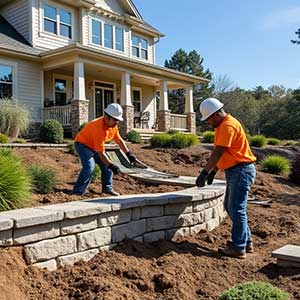
Retaining Wall Installation
Retaining walls can transform steep or uneven yards into stable, usable outdoor space while helping control erosion. Whether you’re leveling a hillside, creating terraced planting areas, or adding structural support to your landscape, professionally built retaining walls add both strength and visual appeal to properties throughout the Portland area.
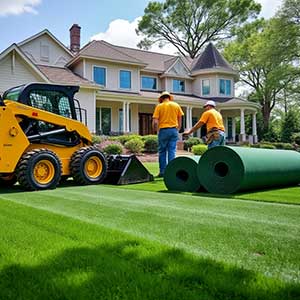
New Sod Lawn Installation
Enjoy a fresh, vibrant lawn almost instantly with professionally installed sod. Instead of waiting for seed to grow, sod creates a thick, healthy lawn right away, making it a great option for Portland homeowners who want fast results and improved curb appeal.
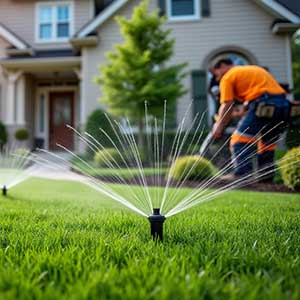
Sprinkler System Installation
An automated sprinkler system helps maintain a lush lawn and thriving landscape by delivering consistent irrigation throughout your yard. With professionally planned zones and programmable timing, homeowners across the Portland area can keep plants properly watered while saving time and using water more efficiently.
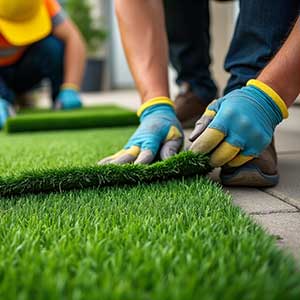
Artificial Turf Installation
Artificial turf creates a consistently green lawn without the upkeep of traditional grass. With modern synthetic turf, homeowners throughout the Portland area can enjoy a low-maintenance yard that stays neat and usable through rain, pets, and everyday foot traffic.
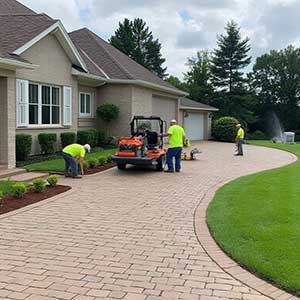
Paver Installation
Enhance your outdoor space with professionally installed paver patios, walkways, and driveways that bring together durability and custom design. With proper base preparation and expert installation, pavers create a clean, even surface that holds up beautifully while adding lasting curb appeal to homes throughout the Portland area.
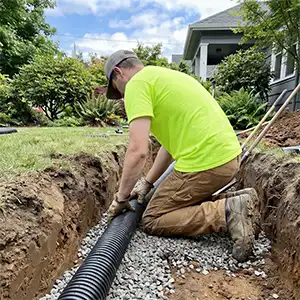
Drainage Solutions
Drainage problems affect every other landscaping project on your property. If water isn’t moving the right direction before you plant, pave, or build, the new work is at risk. We install French drains, catch basins, E-Z Flow systems, and grading corrections that solve the water problem first so everything else lasts.
Beyond our five core services, we handle a full range of residential and commercial landscaping projects across the Portland metro area.
Every project, from a simple mulch installation to a full outdoor kitchen build, gets the same treatment: a written proposal with line-item pricing and a defined scope before work starts.
Helpful Landscaping Guides
If you’re still exploring ideas for your yard, these landscaping guides can help you understand common problems and possible solutions.
Click on any guide below to view it.
Prepare Your Property
Simple steps you can take to help your landscaping project start smoothly and stay on schedule.
Read Now ▸
Best Planting Seasons
Learn when planting projects perform best in Portland’s climate so your landscape gets the strongest start.
Read Now ▸
Fix a Sloped Backyard
Explore practical ways to turn a steep or uneven backyard into a usable outdoor space.
Read Now ▸
Retaining Wall Permits
Find out when retaining wall projects require permits and what Portland homeowners should know.
Read Now ▸
Landscaping Project Costs
Understand the main factors that influence landscaping costs and what projects typically involve.
Read Now ▸
Landscape Design Services
Learn how professional landscape design helps turn ideas into a clear plan for your yard.
Read Now ▸
Looking for related help?
Explore our other planning guides:
Retaining Wall Planning Guide • Backyard Drainage & Grading Guide
Explore Landscaping Solutions
Are you looking for solutions to common landscaping issues? You’ll find the guides listed below to be helpful and informative.
Click on any guide below to view it.
Paver Patio Designs
Explore popular paver patterns and layout ideas that can transform your outdoor space.
Read Now ▸
Retaining Wall Materials
Compare the retaining wall materials that work best for Portland landscapes and different yard conditions.
Read Now ▸
Retaining Wall Drainage
Learn how proper drainage protects retaining walls and prevents long-term water damage.
Read Now ▸
Drainage and Grading
See how grading and drainage improvements help keep landscaping functional during Portland’s rainy seasons.
Read Now ▸
Installation Process Guide
See what happens during a professional retaining wall installation from preparation to final construction.
Read Now ▸
Best Sod Types
Discover which sod varieties perform best in Portland lawns and how they improve your yard.
Read Now ▸
Areas We Serve
If you’re planning a landscaping project in the Portland area, it’s helpful to work with a contractor who understands the conditions that affect yards throughout the region.
Don't see your area? Give us a call, we probably serve your area too! Call (503) 847-9110
Ready To Talk About Your Project?
Or Fill Out The Form Below
⬇
Submit this form
We call within one business day
You get a detailed estimate with line-item pricing, material specs, and a 3-year warranty
Most consultations are booked within a few days of your request.