
RETAINING WALL PLANNING GUIDE FOR PORTLAND AREA HOMES
Plan it right. Build it once.
Planning a retaining wall for your yard involves more than just stacking blocks. Slope, drainage, soil pressure, and local permit rules all influence how a wall should be designed.
This guide covers what Portland homeowners need to understand before hiring a contractor, including how to evaluate your property and what a proper retaining wall estimate should include.
📘 In this Guide…
This guide walks you through the key things Portland area homeowners should understand before starting a retaining wall project so you can make smart decisions about improving your yard.
▸ Getting started
▸ Evaluating your yard
▸ Choosing retaining wall materials
▸ Common retaining wall project goals
▸ Yard conditions where retaining walls help
▸ Real examples of retaining wall transformations
▸ Estimating the size and scope of your project
▸ Helpful retaining wall guides
▸ Explore complementary landscaping solutions
Getting Started With Retaining Wall Planning
What Is A Retaining Wall?
A retaining wall is a structural landscaping feature built to hold back soil when there is a change in elevation. If your yard has a slope, a retaining wall can help stabilize the ground and create level areas that are easier to use.
In many Portland area neighborhoods, retaining walls are part of what makes difficult properties more functional. They can create space for patios, lawns, walkways, planting beds, and outdoor living areas that would be hard to build on a hillside.
Planning a retaining wall project starts with understanding more than just the look of the wall. You also need to think about drainage, slope stability, soil conditions, how you want to use the space, and whether the wall needs to meet local permit requirements.
A well planned retaining wall can do much more than hold back soil. It can improve yard usability, reduce erosion, define landscape areas, and make the entire property feel more finished and intentional.
If you’re in Portland, Beaverton, Tigard, Lake Oswego, West Linn, or nearby areas, retaining wall planning often goes hand in hand with the challenges that come from rainfall, changing grades, and hillside lots. Getting the plan right early can make the rest of the project much smoother.
This guide will help you understand when a retaining wall may be needed, what to evaluate before building one, and how these walls can improve both the function and appearance of your yard.
Evaluating Your Yard Before Planning a Retaining Wall
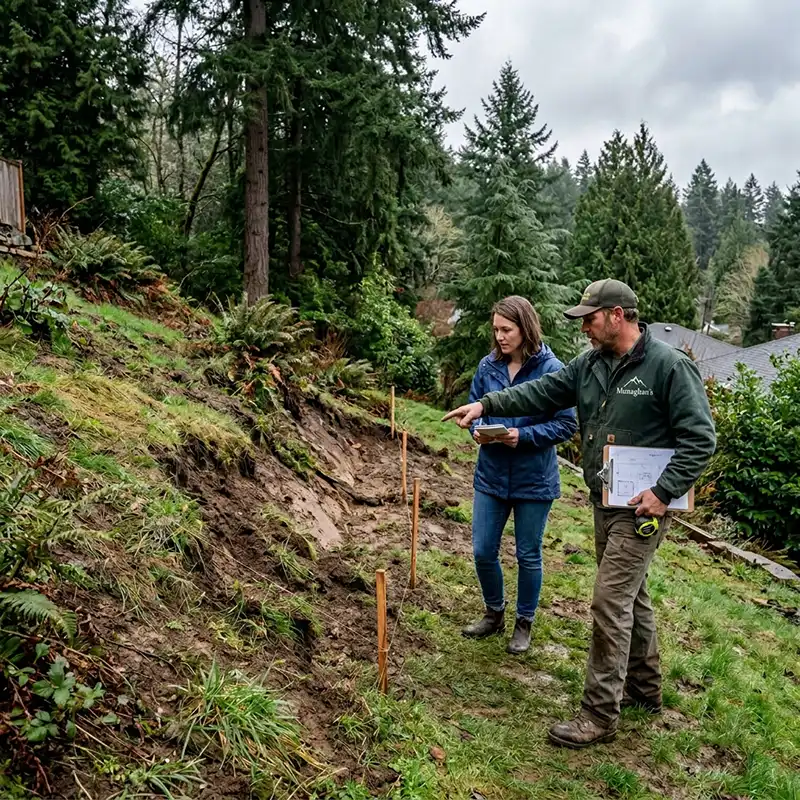
Before deciding on a retaining wall design, it helps to take a close look at how your yard currently behaves. Slopes, drainage patterns, and soil movement all influence where a retaining wall may be needed and how it should be built.
Start by walking your property after heavy rain. Many Portland area yards reveal their biggest landscaping challenges when the ground is saturated. You may notice soil washing downhill, water pooling in certain areas, or parts of the yard that become muddy and difficult to use.
Slope is another major factor. Even moderate grade changes can make it hard to place patios, lawns, or outdoor seating areas. Retaining walls allow you to reshape the terrain so those spaces can exist on level ground.
Drainage also plays an important role in retaining wall planning. Proper drainage behind the wall prevents pressure from building up and protects the long term stability of the structure. This is why professional retaining wall construction typically includes drainage systems behind the wall.
Permits can also be part of the planning process depending on the size of the wall. In Portland, retaining walls generally require a building permit if they exceed four feet in height, measured from the bottom of the footing to the top of the wall. Walls that support additional loads, such as a driveway or steep slope, may require permits even if they are shorter.
If you want to review the official requirements, the City of Portland provides detailed information here: Portland retaining wall permit requirements.
Understanding these site conditions early makes it easier to choose the right retaining wall design and helps avoid surprises once construction begins.
When you schedule a free consultation with Monaghan’s, we evaluate slope, soil, drainage, and access on-site. You’ll receive a written estimate that specifies wall type, block product, base depth, drainage provisions, backfill material, and geotextile fabric with line-item pricing, so you can see exactly what you’re getting before committing.
Common Retaining Wall Materials
Retaining walls can be built from several different materials, and each option has its own advantages depending on the size of the wall, the slope of the yard, and the look you want to achieve.
In Portland landscapes, some of the most common retaining wall materials include concrete block systems, natural stone, and pressure treated timber. Block retaining walls are often used for larger structural walls because they provide strong support and long term durability.
Timber retaining walls can be a good option for smaller landscape projects and garden areas, while natural stone walls offer a more traditional look that blends nicely with many Pacific Northwest landscapes.
If you want to explore the advantages of each option, you can read our detailed guide on retaining wall materials used in Portland landscapes.
Common Goals for Retaining Wall Projects
Create Usable Outdoor Space
One of the most common reasons homeowners consider a retaining wall is to make sloped yards easier to use. In cities like Happy Valley and West Linn, hillside lots can lose half their usable yard to slopes. A single retaining wall project can reclaim that space for a patio, lawn, or play area.
Hillsides can leave large portions of a property feeling wasted or difficult to enjoy. Retaining walls allow sections of the yard to be leveled so you can add lawns, patios, seating areas, or garden beds that would otherwise be hard to build on a slope.
Prevent Soil Erosion
Portland’s rainy seasons can cause soil to slowly move downhill over time, especially on properties with significant grade changes. Retaining walls stabilize the slope and help prevent erosion by holding the soil in place. This protects landscaping features and helps keep the yard looking clean and well maintained.
Properties in Damascus and Oregon City with cut-and-fill lots are especially vulnerable. The fill soil compacts and settles unevenly over time, and Portland’s 43+ inches of annual rainfall accelerates the erosion each season.
Improve Landscape Design
Retaining walls can also become a defining design feature in a landscape plan. They can create terraced planting areas, frame outdoor living spaces, and add visual structure to the yard. When designed well, a retaining wall blends function with aesthetics and can significantly improve the overall appearance of the property.
In neighborhoods like Eastmoreland and Lake Oswego, tiered retaining walls with integrated planting beds are one of the most common ways homeowners add structure and curb appeal to properties with natural grade changes.
Common Yard Situations Where Retaining Walls Help
🏗️ Sloped Backyard That’s Hard to Use
If your backyard slopes downward, you may feel like large parts of the yard are difficult to enjoy. In many cases the solution involves reshaping the grade with landscaping improvements. If you’re dealing with this situation, you may also want to read our guide on how to fix a sloped backyard that is hard to use.
🌺 Creating Terraced Garden Spaces
Some homeowners want to take advantage of a hillside instead of fighting it. Retaining walls can divide a slope into several terraced levels that become beautiful planting beds, garden areas, or landscape features. Terracing allows each level to serve a purpose while still maintaining a natural look.
🌧️ Soil Erosion After Heavy Rain
In the Portland area, winter rains can slowly move soil downhill, especially on properties with steeper grades. You might notice mulch washing away, garden beds shifting, or bare soil appearing where landscaping once held. Retaining walls help stabilize the slope and prevent erosion from continuing to damage the yard.
⚠️ Stabilizing a Failing Landscape Slope
Occasionally slopes begin to show signs of instability, such as shifting soil, leaning fences, or cracking landscape features. When this happens, a properly engineered retaining wall can reinforce the hillside and prevent further movement while improving the appearance of the property.
What Your Retaining Wall Installation Could Look Like
Retaining walls can dramatically change how a yard works. Below are a few common ways Portland homeowners use retaining walls to make sloped landscapes more usable.
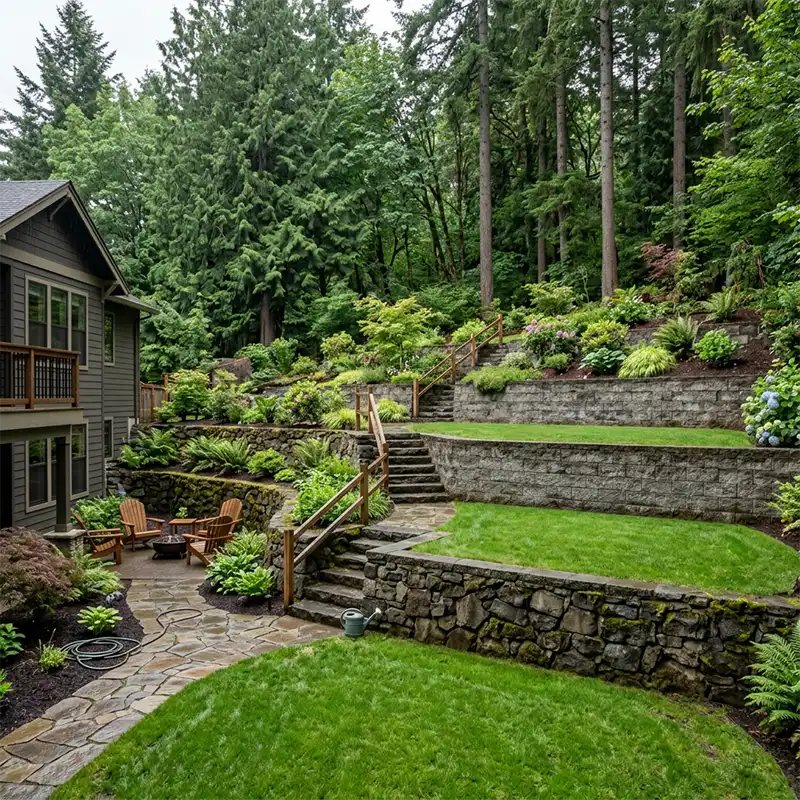
Terraced Backyard Levels
A steep Portland backyard that was difficult to use was transformed into multiple level spaces using structural retaining walls.
Result: The yard now includes flat areas for planting beds and outdoor seating.
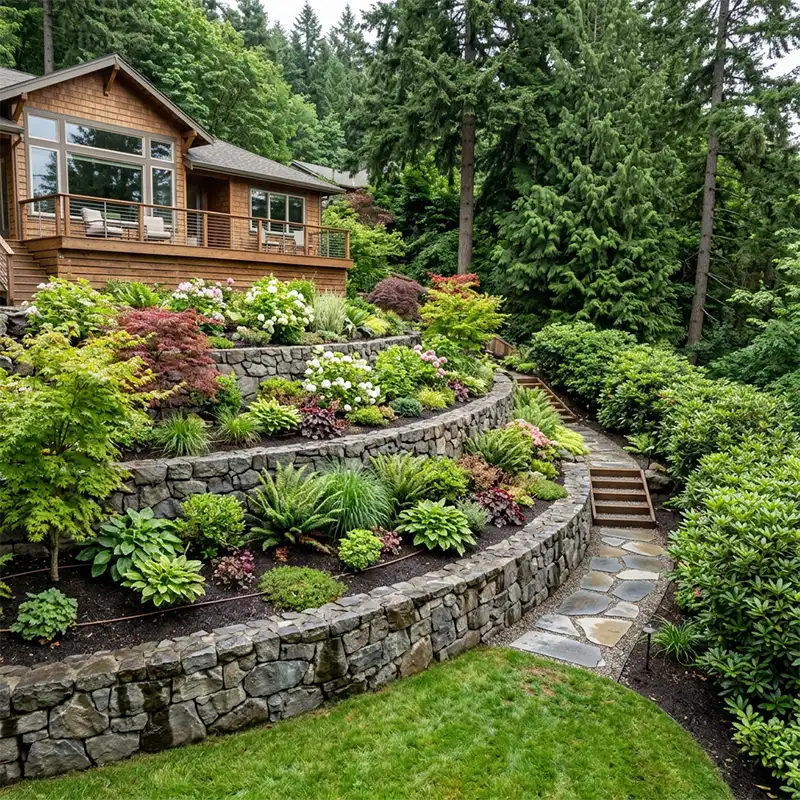
Raised Garden Retaining Wall
A sloped backyard made it difficult to create planting areas and keep soil from washing downhill during heavy Portland rains.
Solution: A raised garden retaining wall created level planting beds that hold soil in place while adding structure and visual interest to the yard.
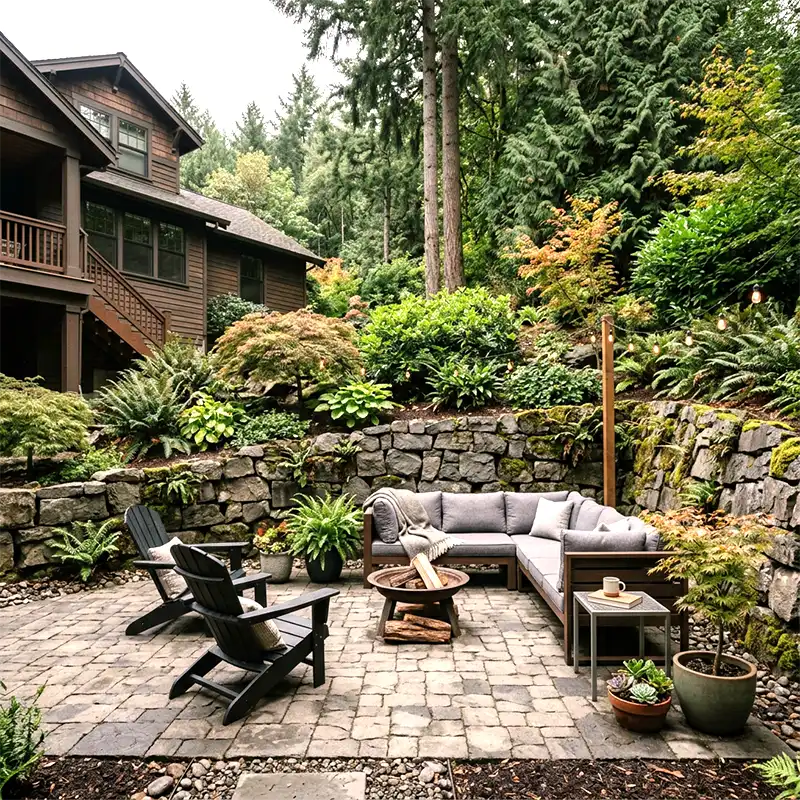
Patio Support Wall
Part of the yard dropped off sharply behind the house, leaving little space for a comfortable patio or outdoor seating area.
Solution: A structural retaining wall created a level foundation for a patio, turning the slope into a stable outdoor living space for relaxing and entertaining.
How Big Is the Project You’re Thinking About?
Retaining wall projects can vary quite a bit in size. Some are focused on solving one specific slope or erosion issue, while others are part of a much larger backyard transformation.
Thinking about the scale of your project can help you understand what type of retaining wall may make the most sense for your property.
Before thinking about exact materials or designs, it helps to step back and ask yourself a few simple questions about what you want the wall to do:
- Whether you need to stabilize a slope or stop erosion
- Whether you want to create more level outdoor space
- Whether the retaining wall is a standalone fix or part of a larger landscape project
Use the retaining wall project guide on the right (or below this on a phone) to help you think through the type of project you may be planning.
Smaller Retaining Wall Projects
- Garden Bed Walls
- Low Decorative Walls
- Small Slope Support
Medium Retaining Wall Projects
- Backyard Leveling Walls
- Terraced Planting Areas
- Patio Support Walls
Larger Retaining Wall Projects
- Hillside Stabilization
- Multi Level Terraced Walls
- Full Backyard Grade Changes
Important Questions To Consider
Q: How do I know if my yard actually needs a retaining wall?
If your yard has a slope that’s limiting how you use the space, causing soil to wash downhill during rain, or creating drainage problems near your foundation, a retaining wall is likely the right solution. Not every slope needs one. Some grade changes can be managed with regrading alone, and others are minor enough that plantings or ground cover can handle them.
The clearest signs you need a wall are visible soil movement after storms, a slope too steep to mow or walk comfortably, or water pooling at the base of a hill near your home. An on-site evaluation is the fastest way to know for sure.
Q: What’s the difference between a decorative retaining wall and a structural retaining wall?
A decorative wall is typically under 2 feet tall and is used mainly for visual definition: separating a planting bed from a lawn, framing a garden area, or adding a design element to the landscape. A structural wall is taller, retains a meaningful volume of soil, and must be engineered to handle lateral earth pressure. In Portland, walls over 4 feet require a building permit and stamped engineering drawings.
The construction methods are different too. A decorative wall can often be dry-stacked without drainage provisions, while a structural wall requires a compacted base, drainage behind the wall, and in many cases geogrid reinforcement.
Q: Should I get a retaining wall quote before I have a design in mind?
Yes. Most homeowners contact us before they’ve decided on materials, wall height, or layout, and that’s the best time to start. The on-site consultation is where we evaluate your slope, soil, and drainage and recommend a wall design based on what your property actually needs.
Coming in with a fixed design before the site has been assessed can lead to a wall that’s undersized, over-budget, or in the wrong location. We’d rather help you plan it correctly from the start than fix a plan that doesn’t account for the site conditions.
Every property is a little different, especially in the Portland area where slope, rainfall, and drainage conditions can vary quite a bit from one yard to the next. Looking at the site in person is usually the best way to understand what kind of retaining wall will work best and how the project should be planned.
If you’re starting to think about a retaining wall, a consultation can help you explore ideas, evaluate the slope, and understand what options may work well for your yard.
Landscaping Services That Often Work Together With Retaining Walls
Once a retaining wall reshapes a sloped yard, new opportunities often open up for how the space can be used. Areas that were previously difficult to landscape can suddenly support patios, lawns, planting beds, and other outdoor features.
Because of that, retaining wall projects frequently become part of a larger landscaping improvement plan. Many homeowners choose to combine retaining walls with other upgrades that help turn newly leveled areas into comfortable outdoor living spaces.
The services below are some of the most common landscaping improvements that homeowners in the Portland area consider alongside retaining wall construction.
Click on any picture to learn more.
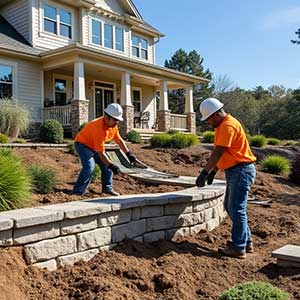
Retaining Wall Installation
Retaining walls help turn steep or uneven parts of a yard into stable, functional outdoor space while reducing soil erosion. From leveling sloped terrain to building terraced garden beds or reinforcing landscape grade changes, a professionally installed retaining wall adds lasting strength and an attractive architectural feature to your property.
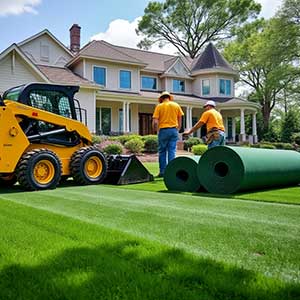
New Sod Lawn Installation
A professionally installed sod lawn can give your yard a lush, green appearance almost immediately. Instead of waiting for grass seed to establish, sod provides an instant, dense lawn that enhances curb appeal and creates usable outdoor space right away, making it a popular choice for homeowners across several Portland neighborhoods like Sellwood and Laurelhurst.
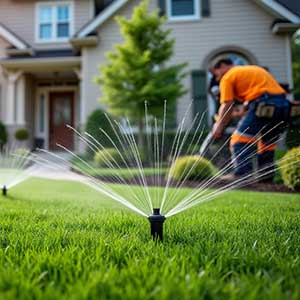
Sprinkler System Installation
A professionally installed sprinkler system keeps lawns and landscape beds healthy by providing consistent, well-timed irrigation across your yard. With properly designed multiple watering zones and programmable controls, homeowners can maintain greener landscapes while saving time and improving water efficiency.

Artificial Turf Installation
Artificial turf provides a clean, consistently green lawn without the mowing, watering, or routine maintenance that natural grass requires. Modern synthetic turf systems create a durable, mud-free surface that stays attractive through rain, pets, and daily use, making them a practical option for most homeowners in Portland neighborhoods like the Pearl District and Alberta Arts.
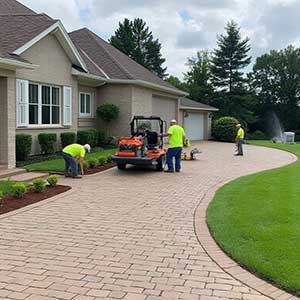
Paver Installation
Professionally installed pavers can transform outdoor areas with patios, walkways, and driveways that combine strength with custom design. When built on a properly prepared base, paver surfaces stay level, resist shifting, and provide a polished look that adds long-term curb appeal to your landscape.
Drainage Solutions
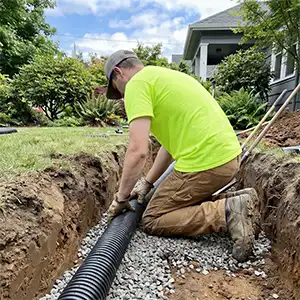
Every retaining wall needs drainage behind it to prevent hydrostatic pressure from pushing the wall out over time. We install French drains, catch basins, and grading corrections as standalone drainage projects and as integrated components of retaining wall installations on Portland’s hilly properties.
Beyond our five core services, we handle a full range of residential and commercial landscaping projects across the Portland metro area.
Every project, from a simple mulch installation to a full outdoor kitchen build, gets the same treatment: a written proposal with line-item pricing and a defined scope before work starts.
Helpful Retaining Wall Guides
If you’re still exploring ideas for your yard, these landscaping guides can help you understand common problems and possible solutions.
Click on any guide below to view it.
Retaining Wall Permits
Learn when Portland requires permits for retaining walls, how height is measured, and what homeowners should know before starting construction..
Read Now ▸
Retaining Wall Costs
Understand the typical cost range for retaining wall projects in the Portland area and the main factors that influence pricing.
Read Now ▸
Wall Cost Factors
Explore the key things that affect retaining wall costs including materials, wall height, drainage requirements, and site access.
Read Now ▸
Retaining Wall Materials
Compare common retaining wall materials used in Portland landscapes and see how each option affects durability, appearance, and maintenance.
Read Now ▸
Drainage Behind Walls
Proper drainage is essential for long lasting retaining walls. Learn how drainage systems protect walls from pressure and water damage.
Read Now ▸
Wall Installation Process
See what typically happens during retaining wall construction from excavation and base preparation to drainage and final installation.
Read Now ▸
Looking for related help?
Explore our other planning guides:
Landscape Planning Guide • Backyard Drainage & Grading Guide
Explore Landscaping Solutions
Many yard challenges are connected. Once slopes are stabilized or terrain is reshaped, homeowners often start exploring other improvements that can make the space more comfortable and easier to maintain. The guides below explore several landscaping solutions that work well alongside retaining wall projects.
Click on any guide below to view it.
Fix a Sloped Yard
If parts of your yard feel difficult to use because of the slope, landscaping improvements can reshape the terrain and make the space far more functional.
Read Now ▸
Control Yard Drainage
Proper grading and drainage are essential for long lasting landscaping. Learn how water moves through Portland yards and how landscaping can help control it.
Read Now ▸
Paver Design Ideas
Once level space is created, patios and walkways are often the next step. Explore popular paver patterns and design ideas used in Portland landscapes.
Read Now ▸
Best Lawn Options
After reshaping a yard, homeowners often choose between sod or artificial turf to finish the space with a clean, healthy lawn.
Read Now ▸
Artificial Turf Guide
Artificial turf is a low maintenance option for newly leveled yard areas where homeowners want a clean lawn that stays green year round.
Read Now ▸
Sprinkler System Basics
Efficient irrigation helps lawns and planting beds stay healthy. Learn how modern sprinkler systems distribute water across your landscape.
Read Now ▸
What Should a Retaining Wall Estimate Include?
A proper retaining wall estimate should specify the wall material by manufacturer and product line, block size, base aggregate type and depth, geotextile fabric, drainage pipe and gravel backfill behind the wall, cap style, and any grading or site restoration included in the scope.
It should also include the project timeline and warranty terms.
If an estimate you’ve received is a single number without specifying what’s going behind the wall or how deep the base will be, you won’t know whether the wall is built to last 50 years or 5.
On Portland’s clay soil, the drainage and base design are what determine whether a retaining wall holds or fails. That information should be in your hands before you sign anything.
Ready To Talk About Your Project?
Or Fill Out The Form Below
⬇
Submit this form
We call within one business day
You get a detailed estimate with line-item pricing, material specs, and a 3-year warranty
Most consultations are booked within a few days of your request.
Areas We Serve
Retaining wall projects are common throughout the Portland area, especially in neighborhoods with sloped properties and hillside terrain. Monaghan’s Landscaping works with homeowners across the region to design and install retaining walls that improve both the stability and usability of their yards.
If you’re planning landscaping improvements in one of the communities listed below, our team can help you evaluate your property and explore options that fit your yard and goals.
Don't see your area? Give us a call, we probably serve your area too! Call (503) 847-9110